
Start with a look at what it takes to turn a Professional bathtub into a walk-in shower in Farmington, MI. Pricing shifts based on layout changes and labor needs. Tile choices range from ceramic to natural stone, each bringing different upkeep levels. Some setups need extra plumbing work, which adds time. Waterproofing matters most – done wrong, it causes big problems later. Local contractors often have experience with older homes’ quirks. Reviews help spot who pays attention to detail. Permits might be required depending on scope. Design flows matter just as much as looks. A good fit means matching your routine, not chasing trends.
Years have passed since your bathtub first saw daily use. Over time, stepping into it became harder than before. Instead of sliding easily, the curtain snags each time. Its surface shows wear, patchy in places where once it gleamed. Simpler mornings mean easier routines – safety matters now more than ever. Stepping out instead of up changes everything. That shift? It comes from turning what was old into something built for today.
Out past the old oak trees, ranch houses from the sixties and seventies hold steady across Farmington and its sister city. Inside, plenty of baths keep those first-gen fiberglass tubs, boxed in by tired tile. Swapping out the tub for a step-in shower gives extra floor space while ditching a common stumble point – done without wrecking any structure. Right at this moment, it’s what more homeowners around Oakland County are choosing above other upgrades.
Out comes the old tub, making space for a step-in shower built with access in mind. Instead of a prefab model, some pick hand-cut tile work; others go fully flush with no lip at all. Money talks – so do physical limits and taste in decor. When winter grips hard and summer sticks thick across Michigan, what holds up isn’t about labels but how it’s put together.
Farmington homeowners choose new options
Something everyday usually kicks things off. Getting into the tub becomes too much effort. Baths happen less often now, maybe never. That space just seems tighter than it used to. One change – a shower without steps – handles each of those quietly, all at once.
Most people in Farmington pick this change for one big thing – staying safe. Climbing over a high bathtub edge can lead to slips, especially if movement is tough. A flat-floor shower fixes that fast. Then there’s ease: rinsing off takes less time, cleaning the tiles goes quicker too. Open layouts help – the right layout tricks the eye into seeing more room than before. Buyers notice it when they tour homes later. Buyers like fresh bathrooms. Then there is staying put as you age. According to a 2025 analysis in the National Center for Biotechnology Information, changing showers helped cut bathroom struggles nearly completely – by 93.4%. It also made falls feel less scary, dropping worry by 12.5% in older people.Affordable bathtub into a walk-in shower in Farmington, MI
Types of Showers and What They’re Made Of
A shower built right into the room might look similar, yet how it goes together changes everything. Depending on what’s picked, price shifts noticeably. Acrylic or fiberglass models made off-site show up ready to fit – sometimes in single sections, sometimes split apart. These drop neatly where an old bathtub once sat. Getting things set usually wraps up within forty-eight hours. Factory-built models often lack variety in size and appearance. Many appear exactly how you’d expect – made elsewhere and shipped in. While these fit well in rental homes or when funds are low, daily use in your main bathroom might leave something to be desired. Their presence tends to stand out, not blend.
Step into a curbless shower, where the floor flows smoothly from room to wet area without bumps. A slight tilt guides water toward the center hole underneath. No raised edges means easier movement, especially when using mobility aids. Trouble comes with setup difficulty though. Builders have to carve down the base structure just right so spills stay contained. Sealing every gap becomes non-negotiable. Water sneaks under the floor if you slip even once, bringing decay along with it. Leave this task to someone who knows exactly what they’re doing.
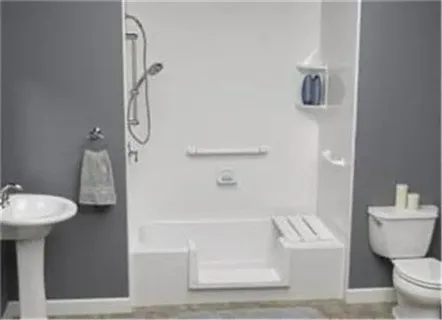
Most folks pick tub cut-outs when they want quicker access without spending much. Out comes a piece of the tub’s front panel, sliced by a pro. Entry gets easier with a shorter climb now. The old tub remains right where it was. Price lands between eight hundred and eighteen hundred dollars. Work wraps up in just a handful of hours. A short-term solution only. Cutting into the tub reduces its strength, while the ring near the new part might leak later. Warranties on most cutting kits are brief. Staying put for years? Better to replace everything fully.
Steps in Changing a Bathtub to a Walk In Shower
Start by picturing what happens when work begins inside a Farmington house. Step one often surprises people – dust covers surfaces before crews even arrive. A timeline takes shape once walls shift or floors lift. Confidence grows not from promises but from seeing each phase unfold. Plans adjust easily because delays show up early. Bids make more sense after watching materials pile up near doorways. Disruption feels smaller when steps become familiar. Most homeowners notice progress fastest at windows and corners. Top bathtub into a walk-in shower in Farmington, MI
A first look happens right at the property, where measurements are taken on the spot. Plumbing already in place gets examined along with where drains sit, what walls are made of, how solid the base under flooring really is. Homes built long ago in Farmington often hide cast iron pipes for waste and old galvanized metal tubes that feed water – both tend to wear out. Support underneath the floor matters too when skipping a shower curb; adjusting beams by cutting into them or adding extra wood beside might be necessary.
Out come the wrecking tools.
Old tile, the bathtub, along with broken wall sections get torn out by the team. Debris fills bins, then gets carted off site. Once bare, walls reveal what’s underneath – framing stands open, flaws now visible. Surprises pop up once everything’s stripped down. Older houses often hide trouble beneath floors – rotten wood might wait underfoot. Mold could creep out from behind bathtubs without warning. Wires set decades ago may no longer meet today’s needs. Fixing problems early keeps bigger expenses away down the road.
Pipes go in next. Instead of the usual 1.5-inch pipe for baths, a larger 2-inch one now carries water away from showers – it moves more volume, slows buildup. When the fresh shower doesn’t match where the old tub sat, the floor opening shifts accordingly. Water tubes inside walls get checked; any signs of rust or drips mean they come out and get swapped.
Next comes getting the walls ready
Over the studs, the team fits cement backer board or uses a foam system that blocks water. A seal forms when they roll on liquid protection or stick up sheet material. Most homemade attempts fall apart right here. Tile set over regular drywall or greenboard soaks in dampness, invites mildew. Skipping solid moisture barriers? That option does not exist.Trusted bathtub into a walk-in shower in Farmington, MI
Last come the fixtures and glass.
After that, the plumber sets the valve along with the showerhead plus extra pieces like a handheld sprayer or body jets. Following this step, the person handling glass takes measurements before putting in the door or panel. Seams get sealed with caulk wherever parts meet. Then comes testing – drain function checked, leak inspection done, guidance offered on how to keep everything working right.
Three to seven days is how long most full bathroom remodels last. Faster results come from using prefab parts. Each layer of mud and grout must dry before moving on, so custom tiling stretches the clock. Winter air in Farmington holds more moisture, which drags out drying even more. Some builders fight that delay by pulling dampness from the room with machines.
Cost of Converting a Bathtub to a Walk In Shower in Farmington
Most people in Southeast Michigan pay prices near the U.S. norm, yet costs shift based on crew wages and what supplies are nearby. Nationally, swapping a tub for a shower averages between two thousand and twelve thousand dollars, per HomeGuide’s 2025 report – seven grand being typical. A 2026 This Old House study of one thousand homes showed walk-in versions cost five to twelve large, shaped by finish choices and how much rebuilding is needed.
Price shifts happen for different reasons.
When pipes need moving or swapping, costs rise by five hundred to one thousand one hundred dollars. Custom tiling? That brings another eight hundred up to three thousand, covering both stuff and work time. Shower doors start at four hundred for simple styles, yet stretch to two thousand five hundred when they’re sleek and without frames. Grab bars sit between a hundred fifty and five hundred once fitted into walls. Seats that fold cost from three hundred to eight hundred. Removing shower lips for easier access means spending an extra grand to four thousand bucks – more upfront, less risk later on.
A home in Farmington could look like this.
Picture a 1975 ranch on a quiet stretch of Halsted Village. Inside, there’s a bathtub – pink, made of fiberglass, surrounded by tiles that match its hue. Underfoot, the floor holds up well, no soft spots or sagging. Yet below it all, the drainpipe remains old cast iron. Water feeds through pipes of galvanized steel, decades past their prime. A surprise awaits when you picture Mom sitting safely on the tiled bench during her next stay. Eight working days unfold while fresh copper pipes snake into place beneath new flooring layers. Instead of rusted old joints, clean water flows through dependable lines tucked behind sturdy backing walls. A clear glass panel swings open without tracks to collect grime. Hidden beneath stone-like surfaces, a modern drainage system handles runoff with quiet efficiency. Money changes hands – eight thousand five hundred dollars covers every detail except one small fee. Two hundred goes toward official approval stamped by local inspectors. Safety shows up not just in steel grab rails bolted deep into studs but also in non-slip textures under bare feet. Time moves forward inside this room, landing firmly in the near future rather than stuck in dusty decades gone.
Selecting a Contractor in Farmington
Water runs differently once a bathtub becomes a walk in shower – pipes shift, seams seal tight. Anyone can own a tile saw, yet few know how moisture hides behind walls. Some jobs demand more than tools – they need judgment built over years. Structure might change when you remove old fixtures, floors adjusted slightly. Mistakes here cost more later, far beyond time or money.
Start by checking the policy details.
A reliable contractor carries both liability protection and job injury benefits. Tearing out a bathroom can uncover pipes and wiring hazards. Should water damage occur or someone get hurt onsite, proper insurance steps in. Without it, expenses might land on you.
Waterproofing techniques? Listen closely when a trusted pro describes the membrane setup, selects of backer material, then walks through how they build the drain. If responses drift toward “usual ways,” it might hint at corners cut. Details matter – empty phrases often hide thin knowledge.
Start with asking neighbors about past jobs.
Pass by finished work in Farmington, or check spots just outside Novi. Peek closely at how tiles line up, where caulk sits, how glass panels meet. Tiny things show who pays attention. Craft shows in what most people overlook.
Start by collecting three detailed estimates.
One breaks down costs like tearing out old parts, new pipes, supplies, work hours, plus bathroom pieces. When prices seem too good, check if water protection steps are missing or drains made of lower-grade parts. That three thousand dollar shower price? It’s low because something got left out.
Frequently Asked Questions
What’s the price tag on turning a bathtub into a walk-in shower in Farmington?
Some people spend as little as two grand. Factory-built units sit in the two- to six-thousand range. Showers with custom tile work often reach five up to twelve thousand dollars. Going curb-free? Expect a baseline near eight large ones. What you do with pipes matters. So does picking bathroom tiles. Features for easier access shift costs too.
Do I need a permit for a tub to shower conversion in Farmington Hills?
Permits are needed when you’re shifting pipes, changing walls, or reworking how the bathroom is set up. Surface fixes like new paint or tiles often skip that step. Moving a drain? That triggers the need. Taking down a wall? Same thing. The person doing the job must get the paperwork sorted. Fees show up between thirty and four hundred dollars. Costs depend on what exactly is being done.
Will removing my tub hurt my home’s resale value?
Most families with little kids might want to hold on to the tub if it’s the last one left in the home. An old bathtub usually brings less appeal in Farmington compared to a modern walk-in shower. When another bathroom has a tub nearby, changing the main bath into a shower tends to work well.
What is the best shower material for Michigan’s climate?
When it comes to hard water, porcelain shrugs it off much like glass resists rain. Temperature changes? It copes far better than most stone types ever could. Acrylic stands up well to daily wear yet fades faster over years compared to tougher materials. Fiberglass needs little care though time reveals its limits clearly enough. Travertine soaks in moisture fast – skip it unless sealing feels routine. Marble pulls stains easily if left bare, a fact few admit early on.
Is it possible for me to turn my bathtub into a walk-in shower on my own?
Most folks tackle prefab stall kits solo when they know pipes. Yet tiling from scratch? Better hand that off. Mess up the drain line, and stink rolls back into your bathroom floor. Water sneaks where it shouldn’t too. Someone certified keeps those nightmares away.
A curbless shower skips the raised edge at the entrance. Some find it sleek. Others worry about water spilling out. It works well if drainage is planned right. Not every bathroom suits this design. Think twice before deciding. Looks matter less than function here.
Most people find stepping into a shower easier without a raised edge. Draining happens thanks to a slight tilt across the surface underfoot. Mobility aids like wheelchairs move freely when there is no lip to block them. Some choose it simply for how clean and unbroken everything appears. Extra expense comes from changes beneath the floor plus careful planning around water flow.
How do I maintain my new walk-in shower?
After every shower, pull a squeegee across the glass. A weekly wipe keeps tile looking fresh – use a mild cleaner that won’t eat away at surfaces. Once a year, give grout a new seal so moisture stays out. Cracks hide in caulk lines; spot them early by checking twice per year. Humidity lingers long after you step out – that fan should hum while you wash and keep going for twenty more minutes.
What plumbing changes are typically needed?
Pipes underneath might have to grow wider – jumping from one and a half to two inches – to keep up with water volume during showers. When supply tubes are coated in rust or built from old galvanized metal, swapping them out becomes necessary. If the fresh shower doesn’t match where the prior bathtub stood, the drain could land in a new spot. Extra costs creep in because of these adjustments, usually five hundred to eleven hundred dollars more on top.
Are grab bars and shower seats worth the cost?
Most definitely – useful now, more so later. Think about grab bars: they’re priced between one hundred fifty and five hundred dollars once set up. Instead of just holding on, some go for fold-down seats, which start around three hundred and climb to eight hundred. Safety shifts happen quietly; fewer slips, easier access. Everyone moves differently, yet the space works anyway. Backed by a recent look at data, changes like these cut bathroom struggles down by ninety-three percent or more.
What is a tub cut-out conversion?
A piece of the tub’s front gets taken out by a worker who fits in a sealed panel, making stepping easier. Priced between 800 and 1,800 dollars, work wraps up within hours. Though it helps access short term, cutting into the structure reduces strength. Over months or years, the barrier meant to block water might stop holding tight.
How do I know if my subfloor needs repair?
Water stains, dips, or soft areas near the tub mean trouble underneath. During tear-out, the worker checks what’s below. A new base layer costs between three hundred and one thousand dollars. That fix keeps mold away later. It also avoids bigger harm to the building over time.
Conclusion
Out grows its spot? That old bathtub might just be in the way now. Stepping into a sleek shower can brighten mornings – less clutter, fewer risks, smoother cleaning. Begin by really seeing what’s there: measure corners, check pipes, think through how you move and need things. Then choices start making sense. Affordable bathtub into a walk-in shower in Farmington, MI
Home upgrades start easier when neighbors handle the details. For Farmington layouts, local rules, or tricky materials common across Michigan, one crew skips the rush – they visit, look things over at no cost, then explain what fits, quietly. Marathon Bath System does exactly that.