Stepping over a tub wall used to feel like nothing. Then one day it doesn’t — and suddenly that old bathtub becomes the most stressful three feet in your house. That single shift is why so many Farmington families call Marathon Bath Systems and start asking the same question: should we just turn this tub into a shower? If you’re weighing that exact decision, this guide walks you through everything from the local bathtub to shower remodel specialists in Farmington, MI wish more homeowners understood before the first quote.
Let me be upfront. This isn’t a sales pitch dressed up as advice. It’s the real picture — the good, the messy, and the parts contractors sometimes gloss over.
Why Farmington Homeowners Are Trading Tubs for Showers
Walk through any neighborhood near Grand River Avenue and you’ll find homes built decades ago with one standard bathroom feature: a deep, awkward, hard-to-clean tub. For young families it was fine. For the people living there now, it’s often a daily hazard.
The trend isn’t hype. It’s practical.
The Aging-in-Place Factor
Most conversions I see come down to one word — staying. People love their homes and want to grow old in them, not relocate to assisted living because of a bathroom.
The numbers back the worry up. The CDC reports that falls are the leading cause of injury among adults 65 and older, and bathrooms are one of the most common places those falls happen. A wet tub wall is a perfect storm of slick surface and high step.
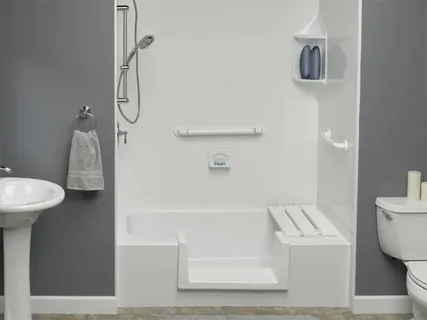
A barrier-free or low-threshold shower removes that step entirely. Add grab bars, a built-in bench, and anti-slip flooring, and you’ve turned the riskiest room in the house into one of the safest. The National Association of Home Builders even certifies pros for this work through its Certified Aging-in-Place Specialist program — a credential worth asking about when you interview specialists.
Space, Cleaning, and Resale Value
Not every conversion is about safety. Plenty of Farmington homeowners simply hate scrubbing a tub they never use.
Showers open up a small bathroom visually. They’re faster to clean. And here’s the part people underestimate — buyers notice. Industry remodeling surveys, including the long-running Cost vs. Value Report, consistently show that midrange bathroom updates recoup a meaningful share of their cost at resale, especially when the work looks modern and move-in ready.
A bright, walk-in glass shower reads as an upgrade. A 1980s tub reads as a project. That difference shows up in offers.
What a Tub-to-Shower Conversion Actually Involves
This is where homeowners get surprised. People picture a quick swap — tub out, shower in, done by lunch. Sometimes it really is that fast. Other times the wall behind the tub tells a different story.
Assessing Your Existing Bathroom
Every honest project starts with an inspection, not a measurement. A good specialist checks the plumbing layout, the condition of the subfloor, and whether moisture has quietly damaged anything behind the old surround.
I’ve seen pristine-looking bathrooms hiding rotted studs, and rough-looking ones that were structurally perfect. You can’t tell from the surface. That’s the entire reason a free in-home assessment matters more than a phone estimate.
Materials That Hold Up in Michigan Homes
Michigan throws real weather at a house. Humidity in summer, dry forced-air heat in winter, and constant temperature swings that punish cheap materials.
Acrylic shower walls have become the go-to for a reason. They resist mold, expert Bathtub to Shower Remodel Specialists in Farmington, MI they don’t grout-stain like tile, and a quality acrylic system handles expansion and contraction without cracking. Tile still wins on pure aesthetics for some buyers, but it asks for more maintenance and more sealing over the years.
Here’s an analogy I use with clients: tile is a sports car, acrylic is a reliable SUV. One demands attention. The other just works, year after year, with almost no fuss.
A Simple Comparison Before You Decide
When weighing your surround options, it helps to line them up honestly side by side:
- Acrylic systems — low maintenance, fast installation, excellent moisture resistance, fewer style choices.
- Tile — fully customizable and beautiful, but higher cost, longer install, and ongoing grout upkeep.
- Solid-surface composites — a middle path with a seamless look and strong durability, usually at a higher price point.
Most Farmington conversions land on acrylic or solid-surface because the long-term ownership is so easy.
How to Choose the Right Bathtub to Shower Remodel Specialists in Farmington, MI
Anyone can call themselves a remodeler. Choosing the right one is where homeowners either save themselves a headache or sign up for one. Treat this part like hiring, because that’s exactly what it is.
Licensing, Insurance, and Local Experience
Start with the boring stuff that protects you. In Michigan, residential remodelers generally need to be licensed, and any reputable specialist carries liability insurance and workers’ compensation. Ask to see proof. A confident pro hands it over without hesitation.
Local experience matters more than people think. A company that has worked across Farmington, Farmington Hills, and the wider Oakland County area knows the housing stock, the common plumbing quirks in older homes, and the local permit process. That familiarity quietly saves time and money on your job.
Questions to Ask Before You Sign
A short, pointed conversation reveals a lot. I’d ask every candidate the following:
- Who actually performs the installation — your own crews or subcontractors you’ve never met?
- What’s the written warranty on both the product and the labor?
- How do you handle surprises, like water damage discovered mid-project?
Listen for clear, specific answers. Vague responses are a red flag. The best specialists, Marathon Bath Systems included, treat these questions as normal — because they are.
What the Process Looks Like From Start to Finish
Knowing the sequence calms the nerves. Most quality conversions follow a predictable rhythm, even when the timeline varies.
Timeline and What to Expect
Here’s the honest version of how it usually unfolds:
The In-Home Consultation
A specialist measures, inspects, listens to your goals, and explains your options. You should leave this conversation with a clear written estimate, not a pressure-cooker close.
Design and Material Selection
You choose your wall system, base, fixtures, color, and accessibility features. This is the fun part — picking the bench placement, the niche for shampoo, the finish on the grab bars.
Demolition and Prep
The old tub comes out. The crew inspects what’s behind it and addresses any hidden damage before anything new goes in. Skipping this step is how cheap jobs fail in two years.
Installation
The new base, walls, plumbing, and glass go in. Many straightforward acrylic conversions wrap up in as little as one to two days. Tile or full-remodel projects naturally run longer.
Final Walkthrough
You inspect everything together, confirm the warranty paperwork, and learn how to care for your new shower. A good specialist doesn’t disappear the moment the check clears.
That last point separates the pros from the rest. The relationship should feel like it continues after installation, not end at it.
Cost, Value, and What Affects Your Quote
Let’s talk about money, because everybody’s really thinking about it anyway.
There’s no single price for a tub-to-shower conversion, and any company quoting you a flat number sight-unseen should make you nervous. Your final figure depends on a handful of real variables.
What Drives the Price Up or Down
The biggest factors are material choice, the complexity of moving plumbing, the size of the space, and the accessibility features you add. A simple acrylic swap with the plumbing staying put sits at the affordable end. Relocating drains, adding a curbless entry, or choosing custom tile pushes the number higher.
Hidden damage is the wild card. If demolition reveals rotted framing or old leaks, repairs add cost — which is precisely why that honest upfront inspection protects your budget.
Financing and Return on Investment
Many Farmington specialists offer financing, which spreads the investment into manageable monthly payments rather than one painful lump sum. Worth asking about even if you plan to pay cash.
On the return side, think of it in two layers. There’s the resale value the best remodeling of Bathtub to Shower Remodel Specialists reports track, and there’s the harder-to-price value of staying safe and independent in your own home. For a lot of families, that second layer is the entire point — and it doesn’t show up on a spreadsheet.
Conclusion
Even if you’re not converting for accessibility today, building in a few smart features now costs little and pays off later.
Low or zero-threshold entry removes the trip hazard completely. Built-in seating gives anyone a place to rest or shave comfortably. Strategically placed grab bars — not the flimsy suction-cup kind, but properly anchored ones — provide real support. Anti-slip shower bases reduce the single biggest bathroom danger.
The smartest approach I’ve seen is “future-proofing.” You design the shower so it looks sleek and modern now, but the bones support easy additions later. It’s the same logic as wiring a house for more outlets than you currently need. You’ll thank yourself down the road.
Bringing It All Together
A bathtub to shower conversion isn’t just a renovation — it’s a decision about how you want to live in your home for the next decade. Done right, it makes your bathroom safer, easier to maintain, more appealing to future buyers, and frankly, more pleasant to use every single morning.
The path forward is simple. Get a real in-home assessment, ask the hard questions, choose a licensed and experienced local team, and don’t let anyone rush you. The bathtub to shower remodel specialists in Farmington, MI worth hiring will respect your timeline and your budget. If you’re ready to see what your space could become, reach out to Marathon Bath Systems and start with that no-pressure conversation. The hardest part is usually just picking up the phone.
Frequently Asked Questions
How long does a tub-to-shower conversion take in Farmington, MI?
A straightforward acrylic conversion often finishes in one to two days. Projects involving tile, plumbing relocation, or hidden-damage repair take longer, sometimes a week or more.
Is converting a bathtub to a shower a good idea for resale value?
Generally yes, especially if you keep at least one tub elsewhere in the home for buyers with young children. A clean, modern walk-in shower reads as a finished upgrade and supports stronger offers.
Are walk-in showers safer than bathtubs?
For most people, yes. Removing the high tub wall and adding anti-slip flooring, grab bars, and a bench addresses the conditions behind most bathroom falls, which the CDC identifies as a leading injury risk for older adults..
Do I need a permit to convert a tub to a shower?
Often yes, particularly if plumbing is moved. A reputable local specialist handles the permit process for you, which is another reason to hire an experienced Farmington-area team.
How much does a bathtub to shower remodel cost?
There’s no flat answer. Price depends on materials, plumbing changes, bathroom size, and accessibility features. The only reliable number comes from an in-home assessment.
Can I add accessibility features later instead of now?
You can, but designing for it upfront is cheaper and cleaner. Future-proofing the shower now reinforced walls, low threshold avoids costly retrofits down the line.