
Learn about tub to walk in shower conversion in Plymouth, MI. We cover costs, materials, and how to choose a local bathroom remodeling contractor.
Stepping over a high tub wall gets harder with age. For many homeowners in Plymouth, that daily struggle is the sign that it is time for a change. A tub to walk in shower conversion removes the barrier, opens up the bathroom, and creates a safer space that works for every member of the household. Whether you are planning ahead for aging in place or simply tired of climbing in and out of a tub you never use, this renovation pays off in comfort, safety, and home value.
The process is more involved than swapping one fixture for another. Plumbing lines may need to move. The shower pan must slope correctly for drainage. Waterproofing has to meet Michigan’s building codes. And the finished look should match the rest of your home. In Plymouth, where homes range from 1950s ranches to new builds in subdivisions like Plymouth Township’s Ridgewood, every project starts with understanding what is behind the walls.
Why Plymouth Homeowners Choose Tub to Walk-In Shower Conversions
Plymouth sits in western Wayne County, about 25 miles west of Detroit. The housing stock is diverse. You will find mid-century ramblers with original pink tile bathrooms, 1980s colonials with builder-grade fiberglass tubs, and newer homes with spacious master suites. What they share is a growing demand for accessible, low-maintenance bathrooms.walk in shower conversion in Plymouth, MI
According to aging-in-place research from Choice Mutual (2026), nearly 80% of older adults say they would need bathroom modifications such as grab bars and walk-in showers to stay in their homes safely. In Plymouth, where many residents have lived in the same house for decades, this is not abstract data. It is the reason we get calls every week from homeowners who want to remove the tub before a fall forces the issue.
The financial case is strong too. Assisted living in Michigan costs about $64,200 per year. A tub to walk in shower conversion typically runs between $1,925 and $2,941 in the Plymouth market, with most projects landing in the $3,000 to $8,000 range depending on materials and scope. That one-time investment keeps you in your home for years without the monthly drain of a facility.
Younger families benefit as well. A large walk-in shower with a handheld wand makes bathing kids and pets easier. The open feel of a glass-enclosed shower makes a small bathroom look bigger. And for resale, buyers increasingly expect at least one walk-in shower in the home, especially in the primary suite.
Types of Walk-In Shower Conversions and Materials
Not every tub to walk in shower conversion is the same. The right approach depends on your budget, your bathroom layout, and how long you plan to stay in the home. Some homeowners want a quick, affordable update. Others want a custom tile shower that becomes the centerpiece of a master bath renovation.
Fiberglass units are similar in concept but lower in cost. They are lightweight, easy to install, and come in standard sizes. They work well for rental properties or secondary bathrooms where durability matters more than aesthetics. The surface can scratch and may yellow over time.walk in shower conversion in Plymouth, MI
Custom tile showers offer the most flexibility. You choose the tile, the layout, the niche placement, and the fixtures. A licensed contractor in Plymouth told us that the most satisfying projects he completes are tile conversions where the homeowner picks a porcelain plank tile that matches the bathroom floor, creating a spa-like continuity. The trade-off is cost and maintenance. Grout needs annual sealing, and the installation takes a week or more.
Curbless or zero-threshold showers are the premium option for accessibility. The floor slopes gently toward a linear drain, eliminating the step entirely. This design requires precise framing, a specialized shower pan, and careful waterproofing. In Michigan, where freeze-thaw cycles stress building materials, the waterproofing membrane and drain assembly must be installed to code or you risk leaks that damage subfloors and ceilings below.
How a Tub to Walk-In Shower Conversion Gets Done
When you hire a contractor for a tub to walk in shower conversion, the process should follow a clear sequence. Skipping steps or rushing the waterproofing leads to callbacks, mold, and expensive repairs.walk in shower conversion in Plymouth, MI
The job starts with a site assessment. The technician measures the existing tub space, checks the plumbing configuration, and inspects the subfloor and surrounding walls for water damage or mold. In older Plymouth homes, this often reveals rotted drywall behind the tub surround, corroded drain lines, or inadequate venting that needs correction before the new shower goes in.
Demolition comes next. The crew removes the tub, surrounding tile, drywall, and often the bathroom floor if it is being replaced. They cap the water supply lines and remove the old drain assembly. In homes with cast iron tubs, this step requires extra care to avoid damaging the surrounding structure.
Plumbing rough-in follows. The drain may need to be relocated or resized. Standard tub drains are 1.5 inches, but shower drains should be 2 inches to handle the higher flow rate of a modern showerhead. The plumber also verifies that the vent stack is properly connected; without it, the shower will drain slowly and gurgle. Michigan plumbing codes require 1/4 inch of slope per foot on horizontal drain lines, and your contractor must meet this standard.
Framing and shower pan installation come next. For a curbed shower, the crew builds a curb from pressure-treated lumber or masonry and installs a pre-sloped shower pan. For a curbless design, they lower the subfloor or use a ramped pan system to achieve the required slope toward the drain. The pan must be leak-tested before any tile or surround goes on.
Waterproofing is the most critical step. The crew applies a liquid-applied membrane, sheet membrane, or hot-mop tar system to the walls and pan. In Michigan, the Michigan Residential Code requires that shower waterproofing extend at least 6 inches above the showerhead and cover the entire pan area. Many contractors go higher — to 72 inches or the ceiling — for extra protection.
Fixtures and glass go in last. The showerhead, valve, and trim are connected and tested. Glass doors or panels are measured and installed. A final inspection checks for leaks, proper drainage, and code compliance. The plumber or contractor schedules the required rough-in and final inspections with the local building department.
What a Tub to Walk-In Shower Conversion Costs in Plymouth
Pricing for a tub to walk in shower conversion in the Plymouth area reflects material choices, labor rates, and the condition of the existing bathroom. According to HomeYou, the average tub to shower conversion cost in Plymouth ranges from $1,925 to $2,941, with some projects as low as $401 and others exceeding $5,745 depending on scope. For comparison, the Detroit metro average sits around $3,009, with most projects between $1,505 and $8,024.
Several factors drive your final bill:
- Material choice: Acrylic and fiberglass are the most affordable. Natural stone tile, frameless glass, and premium fixtures push costs up fast.
- Plumbing complexity: Moving the drain, adding a second showerhead, or rerouting supply lines adds labor and parts.
- Wall condition: If the drywall behind the tub is moldy or the studs are rotted, repairs add $500 to $2,000.
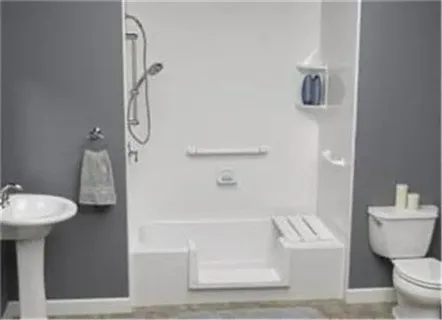
- Accessibility features: Grab bars, fold-down benches, handheld wands, and thermostatic valves add $200 to $1,500 but are worth every penny for safety.
- Permit and inspection: The City of Plymouth and Plymouth Township require permits for plumbing modifications. Your contractor should pull the permit and schedule inspections as part of the project.
The investment pays back in daily use. A walk-in shower is easier to clean, safer to enter, and more pleasant to use than a tub you climb into twice a year.
How to Choose a Tub to Walk-In Shower Conversion Contractor in Plymouth
Not every bathroom remodeler is qualified to handle a tub to walk in shower conversion. The job sits at the intersection of plumbing, waterproofing, tile work, and accessibility design. A handyman who can swap a faucet may not understand how to slope a shower pan or waterproof to Michigan code.
Check their insurance. Any contractor working in your home should carry general liability insurance and workers’ compensation. Ask for a certificate of insurance before work begins. If they use subcontractors for plumbing or electrical, confirm those subs are licensed and insured too.walk in shower conversion in Plymouth, MI
Ask about their experience with conversions. A contractor who handles tub to walk in shower conversion in Plymouth regularly — like Marathon Bath System — will know which drain configurations work with local slab foundations, how to navigate Plymouth Township’s permit process, and what waterproofing products perform best in Michigan’s humid summers and dry winters.
Request a written estimate that breaks down demolition, plumbing, materials, labor, and permits. Vague quotes lead to surprise charges. The estimate should specify the shower pan type, waterproofing system, tile or surround material, fixture brands, and warranty terms. Most reputable contractors offer at least a one-year warranty on workmanship.
Look at their past work. Ask for photos of completed conversions, especially projects in homes similar to yours in age and style. Check reviews for mentions of timeliness, cleanliness, and how the contractor handled unexpected issues like rotted studs or outdated plumbing.
Frequently Asked Questions
What is a tub to walk in shower conversion?
A tub to walk in shower conversion is the removal of an existing bathtub and its replacement with a shower that has a low or zero-threshold entry. The project may involve relocating the drain, updating plumbing, installing a new shower pan, waterproofing the walls, and adding fixtures, doors, and accessibility features like grab bars.
How much does a tub to walk in shower conversion cost in Plymouth?
The average cost in Plymouth ranges from $1,925 to $2,941 for a standard conversion, with most homeowners paying between $3,000 and $8,000 depending on materials and scope. Acrylic surrounds run $2,000 to $4,500. Custom tile conversions cost $4,500 to $10,000 or more. Curbless zero-threshold designs start around $5,500.
Do I need a permit for a tub to walk in shower conversion in Plymouth?
Yes. The City of Plymouth and Plymouth Township require plumbing permits for any work that modifies drain lines, supply lines, or fixtures. The Michigan Residential Code mandates inspections at rough-in and final stages. Your contractor should pull the permit and schedule inspections. Unpermitted work can void your insurance and create problems when you sell.
How long does a tub to walk in shower conversion take?
An acrylic or fiberglass surround conversion takes 1 to 2 days. A custom tile conversion takes 5 to 10 days. Curbless designs with subfloor modifications may take 7 to 14 days. Add time for permit approval, which in Plymouth typically takes a few days to two weeks depending on the building department’s workload.
What is the best material for a walk-in shower in Michigan?
Acrylic and fiberglass are low-maintenance and affordable, making them good choices for secondary bathrooms or quick updates. Custom tile — porcelain or ceramic — offers the best durability and style for a primary bathroom. Porcelain plank tile that matches the bathroom floor is a popular choice in Plymouth homes for a cohesive, high-end look.
Can I convert my tub to a curbless walk-in shower?
Yes, if your bathroom layout and subfloor allow it. Curbless showers require the floor to slope toward a linear drain, which may mean lowering the subfloor or using a ramped pan system. In slab-on-grade homes common in Plymouth, this is more complex than in homes with basements or crawl spaces. A licensed contractor can assess whether your home supports this design.
What plumbing changes are needed for a tub to walk in shower conversion?
The drain usually needs to be relocated or resized from 1.5 inches to 2 inches to handle shower flow. The supply lines may need adjustment for a new valve location or a second showerhead. Venting must be verified to prevent slow drainage and sewer gas odors. Michigan code requires 1/4 inch of slope per foot on drain lines.
Will a walk-in shower hurt my home’s resale value?
No. Most buyers prefer at least one walk-in shower in the home, especially in the primary suite. If your home has only one bathroom, consider keeping a tub in another bathroom to appeal to families with young children. In homes with two or more bathrooms, converting the primary bath tub to a walk-in shower is almost always a positive.
What accessibility features should I include?
Grab bars with proper blocking behind the walls, a handheld showerhead on a slide bar, a fold-down bench, and a thermostatic valve to prevent scalding are the most valuable additions. A curbless entry eliminates the step entirely. These features cost $200 to $1,500 extra but make the shower safer for every age and ability.
How do I maintain my new walk-in shower?
Wipe down glass doors after each use to prevent water spots. Clean tile and grout weekly with a pH-neutral cleaner. Reseal grout annually. Run the exhaust fan during and after showers to reduce humidity. In Michigan’s hard water areas, a squeegee and occasional vinegar rinse prevent mineral buildup on glass and fixtures.
Conclusion
You now know what a tub to walk in shower conversion involves, what it costs in Plymouth, and how to hire a contractor who understands Michigan codes and local conditions. The next step is simple: schedule a few consultations, compare written estimates, and choose a provider who explains the process clearly.
If you want a local team that knows Plymouth homes, Marathon Bath System can assess your bathroom and walk you through material and layout options without pressure. Reach out to Marathon Bath System for a clear estimate and a plan to turn your tub into a shower that works better for your daily life.