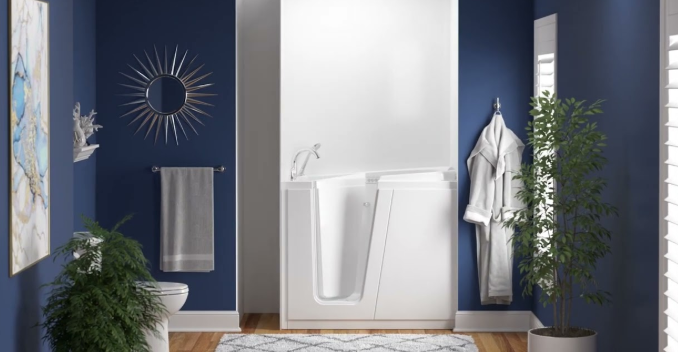
If you’ve stood in your bathroom lately wondering whether that old tub is still earning its place, you’re not alone. A tub to shower conversion is one of the most practical updates homeowners in Walled Lake ask us about, and at Marathon Bath Systems we see why. Many of the homes around here were built when a deep soaking tub was standard in every bathroom, even the ones people rarely used for bathing. Today, life looks different. Stepping over a high tub wall first thing in the morning, or trying to bathe small kids and aging parents in the same space, starts to feel like more trouble than it’s worth.
This guide walks through what a tub to shower conversion involves, why so many local homeowners choose it, and what to think about before you start. The goal is simple: give you honest, useful information so you can decide whether this upgrade fits your home, your routine, and your plans for the years ahead.
Why Homeowners Choose This Service
In our experience, people rarely convert a tub to a shower for just one reason. It’s usually a few things adding up at once.
Comfort and daily ease come up most often. A walk-in shower removes the awkward, sometimes unsafe step over a tub wall. That matters more as we get older, but it also helps anyone juggling a busy morning. Homeowners are often surprised to learn how much more open and usable the room feels once the tub is gone, even in a smaller bathroom.
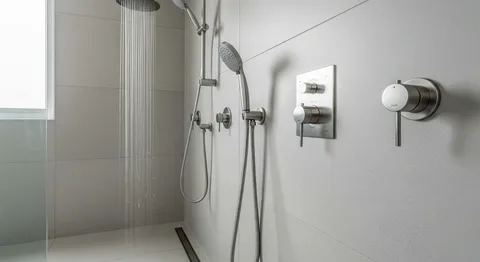
Accessibility is another big driver. For households planning to stay put long-term, bathroom accessibility upgrades like a curbless or low-threshold shower make aging in place far more realistic. A barrier-free shower installation can include a built-in bench, grab bars, and a handheld sprayer, turning a daily chore into something safe and genuinely comfortable.
Then there’s property value. Around Walled Lake, buyers tend to favor homes with at least one clean, modern, low-maintenance shower. A dated tub that nobody uses can read as deferred maintenance. A well-built walk-in shower reads as a home that’s been cared for.
Function plays a role too. Tubs collect grime in corners and demand constant scrubbing. A modern shower enclosure Tub to Shower Conversion in Walled Lake, MI with the right waterproof shower systems behind the walls is easier to clean and built to handle Michigan’s humidity swings without trapping moisture or growing mildew.
Types and Options Available
One of the better parts of a tub to shower conversion is how many directions you can take it. The right choice depends on your space, your budget, and how you actually live.
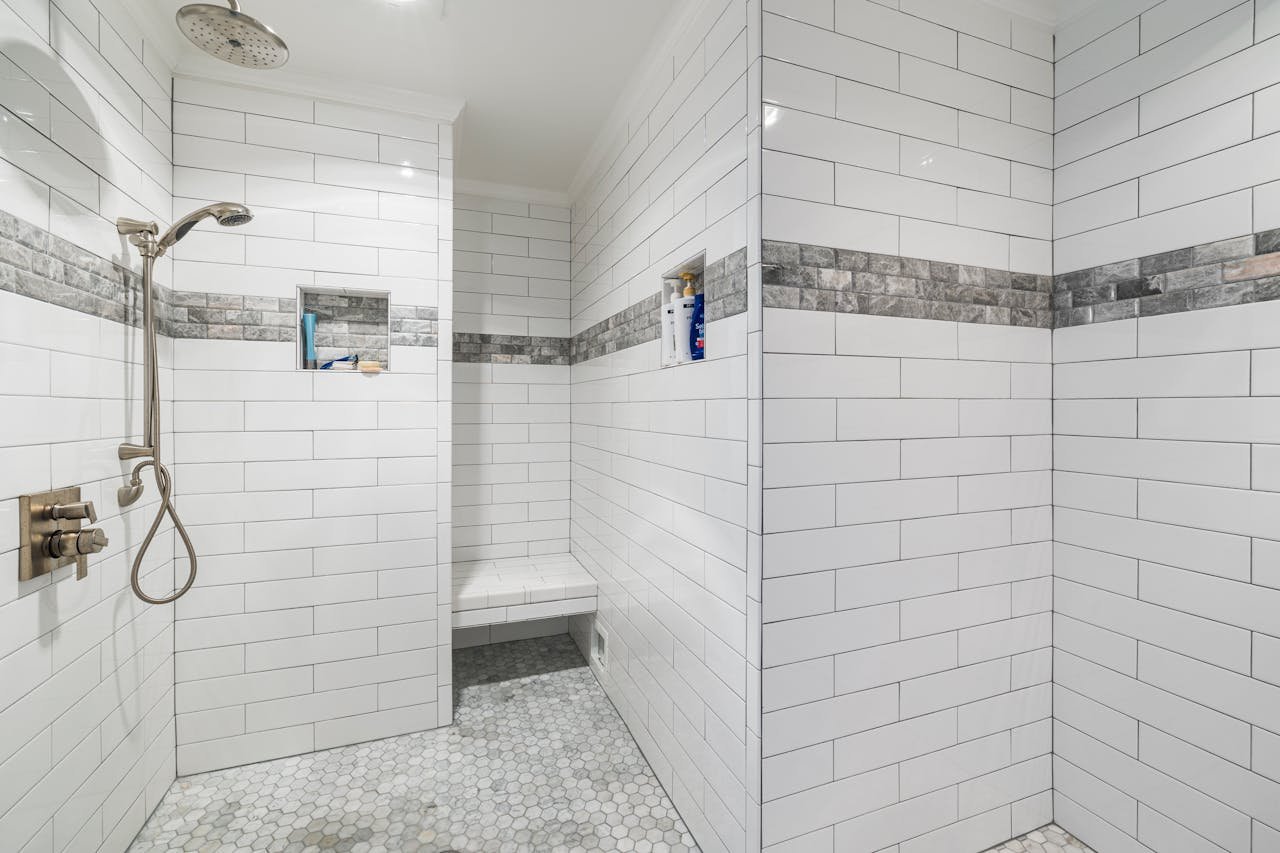
Walk-in showers are the most popular request we get. Within that category, curbless shower installation has grown quickly because a flush, no-step entry looks sleek and works for every age and mobility level. If a fully curbless layout isn’t possible in your space, a low-threshold base offers a comfortable middle ground.
Materials make a real difference in both looks and upkeep. Acrylic and solid-surface shower walls give you a smooth, grout-free surface that wipes clean and resists staining. Tile remains a favorite for homeowners who want a custom, high-end look, though it asks for a bit more maintenance over time. A common mistake people make is choosing a material purely on appearance without thinking about how much cleaning they’re willing to do down the road.
Glass shower door installation is where a lot of homeowners decide to splurge a little. A frameless or semi-frameless glass enclosure makes a small bathroom feel larger and lets natural light move through the space. Others prefer a partial glass panel with an open entry for an even more accessible feel.
The shower base matters as much as anything you can see. Proper shower base installation sets the slope, the drainage, and the waterproofing for the whole project. Skip a quality base, and even a beautiful shower can give you trouble later. For Walled Lake homes, where seasonal temperature shifts are part of life, a well-sealed, properly draining base is worth getting right the first time.
If you want the upgrade to feel like a true retreat, luxury walk-in showers can fold in features like rainfall heads, built-in niches, bench seating, and layered lighting, without losing the accessibility benefits underneath.
How the Process Works
Most homeowners we work with feel better once they understand the steps. A tub to shower conversion is more orderly than it looks from the outside.
It starts with a consultation. We look at your existing bathroom, talk through how you use the space, and listen to what’s frustrating you about the current layout. This is also when we flag anything unusual, like plumbing in an awkward spot or signs of past water damage.
Next comes planning. Together we settle on the type of shower, the base, the wall material, and the door style. Good planning here prevents surprises later.
Then design pulls it all together: dimensions, fixture placement, accessibility features, and the finishes that match the rest of your home.
If your project needs permits, that step happens before any major work begins. Not every conversion requires one, but moving plumbing or making structural changes often does. Local specialists tend to know which jobs trigger permit requirements in Walled Lake, which keeps the project on the right side of the rules.
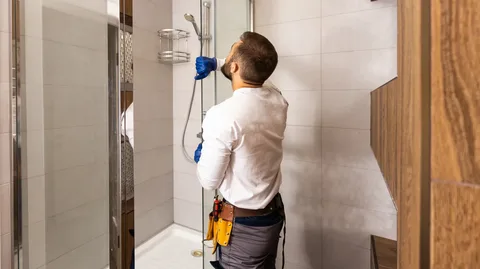
Construction is where the visible work happens. The old tub comes out, the new base goes in, walls and waterproofing get installed, and the door and fixtures follow. A careful crew protects the rest of your home while they work and keeps the site clean.
Finally, there’s the final inspection and walkthrough. We check that everything drains correctly, seals properly, and functions the way it should before we call the job done.
What Affects Project Costs
Homeowners always want a sense of what shapes the investment, and that’s fair. While we won’t put numbers on your situation here, it helps to understand the factors that move a project one way or the other.
Project size is the obvious one. A compact shower in a small bathroom is a different undertaking than a large, custom enclosure.
Material selection matters a great deal. Standard acrylic walls and a simple glass panel sit at one end of the range, while custom tile, premium glass, and high-end fixtures sit at the other.
Complexity adds up quickly. If the conversion requires moving plumbing, relocating a drain, or reworking the layout, that takes more time and skill than a straightforward swap in the same footprint.
Labor requirements follow from all of the above. More intricate work, tighter spaces, and custom finishes ask more of the crew.
Permit requirements can also factor in, depending on the scope of the work and what your local guidelines call for.
One thing we often notice is that the cheapest option rarely turns out to be the best value. Cutting corners on waterproofing or the shower base is exactly where problems show up later. Projects like these usually work best when the investment goes into the parts you can’t see as much as the parts you can.
How to Choose the Right Contractor
The contractor you pick shapes the entire experience, so it’s worth slowing down before you sign anything.
Start with licensing and insurance. A properly licensed contractor meets local standards, and proper insurance protects you if something goes wrong during the work. Ask to see both, and don’t feel awkward doing it.
Experience counts, especially with bathroom remodeling specifically. Someone who installs showers regularly will spot issues a general handyman might miss, from hidden moisture problems to drainage details.
Reviews and references tell you how a company treats people once the deposit is paid. Look for patterns: do past clients mention clear communication, clean job sites, and finished work that held up?
Communication itself is a strong signal. A contractor who answers your questions clearly before the project starts tends to keep communicating well throughout it.
Strong project planning is the final piece. The best outcomes come from a clear plan, a realistic schedule, and no vague promises.
Many homeowners look for companies such as Marathon Bath Systems because local specialists often understand local regulations, permit requirements, and neighborhood preferences better than large national companies. That local knowledge tends to show up in smoother projects and fewer surprises along the way.
Final Thoughts
A tub to shower conversion is one of those updates that pays you back every single day, in easier mornings, safer footing, a cleaner space, and a home that’s better suited to how you actually live. The key is matching the right shower type and materials to your space, then trusting the work to a contractor who plans carefully and builds for the long term. Take your time with the planning, ask good questions, and think about the years ahead, not just this season. When you’re ready to explore your options in Walled Lake, Marathon Bath Systems can help you weigh what makes sense for your home.
Frequently Asked Questions
Is a tub to shower conversion worth it for my home in Walled Lake?
For most homeowners, yes. A walk-in shower is easier to use, simpler to clean, and more accessible than an old tub. It often makes a bathroom feel larger and more modern, which local buyers tend to appreciate. If you rarely use your tub and want a safer, lower-maintenance space, a conversion is usually a smart move.
Do I need a permit for a tub to shower conversion?
It depends on the scope of the work. A straightforward swap within the same footprint may not require one, but moving plumbing, relocating a drain, or making structural changes often does. Local guidelines in Walled Lake vary by project. A contractor who works in the area regularly can tell you early whether a permit applies to yours.
How do I choose the right contractor for a bathroom conversion?
Look for proper licensing and insurance first, then focus on experience with shower installations specifically. Read reviews for patterns around communication and finished quality, and ask for references. A contractor who explains the plan clearly and answers your questions before work begins is usually one who will keep you informed throughout the project.
How long does a tub to shower conversion usually take?
Most standard conversions wrap up within a few days to about a week, depending on the design and complexity. Simple swaps move faster, while custom tile, moved plumbing, or permit steps can extend the timeline. Your contractor should give you a realistic schedule during planning so you know what to expect before any work starts.
Should I remodel the whole bathroom while converting the tub?
It can be worth considering. If your flooring, vanity, or fixtures are also dated, combining the work often makes sense since the room is already torn up. That said, plenty of homeowners convert just the tub and leave the rest for later. Talk through your goals and budget with your contractor to decide what fits best.