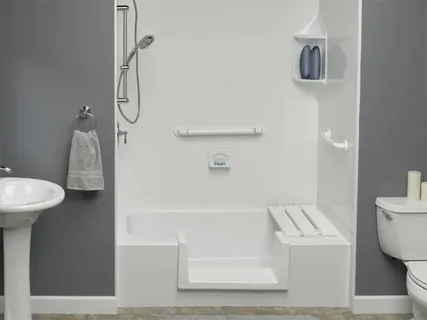

Stepping over a high tub wall every morning shouldn’t feel like an obstacle course. Yet for thousands of homeowners across Livonia, that aging bathtub has quietly become the least practical fixture in the house and Marathon Bath Systems hears about it every single day.
If you’ve found yourself staring at that rarely-used tub and wondering whether a sleek, walk-in shower could take its place, you’re asking the right question. A tub to shower conversion is one of the smartest bathroom upgrades a Michigan homeowner can make, blending everyday comfort with long-term value. Let’s walk through everything you’d want to know before you commit.
Understanding What a Tub to Shower Conversion Really Involves
A tub to shower conversion replaces an existing bathtub with a custom shower unit, usually within the same footprint. That means no major plumbing relocation, no knocking out walls, and far less disruption than a full bathroom remodel.
Most people picture weeks of dust and chaos. The reality is far gentler. A professional bathroom remodel of this type often wraps up in a day or two, which surprises almost everyone the first time they hear it.
The keyword here is replacement, not reconstruction. You’re swapping one fixture for a better one, and that distinction keeps both cost and timeline reasonable.
Why Homeowners in Livonia Are Making the Switch
Michigan winters age a bathroom faster than most people realize. Hard water leaves mineral buildup, grout lines stain, and old tubs develop chips and cracks that never quite scrub clean.
A Tub to Shower Conversion in Livonia, MI solves all of that at once. You get a modern, low-maintenance surface that resists mold, mildew, and the constant scrubbing that older tubs demand.
There’s also a generational shift happening. Younger buyers rarely want a soaking tub in a secondary bathroom, and older residents want safer, more accessible bathing. A walk-in shower conversion speaks to both crowds.
Walk-In Showers and Aging in Place
Accessibility deserves its own mention because it drives so many of these projects. According to the CDC, roughly 80% of falls among older adults happen in the bathroom, and stepping over a tub wall is a leading culprit.
A barrier-free or low-threshold shower removes that hazard entirely. Add grab bars, a built-in bench, and a handheld sprayer, and you’ve created a space that supports independent living for decades.
This is what designers call “aging in place” — a well-established framework in the remodeling industry. The goal is simple: let people stay safely in the homes they love, longer.
Choosing the Right Shower Style for Your Space
Not every expert shower conversion looks the same, and the choices you make here shape how the finished bathroom feels. Think about how you actually use the room before falling in love with a photo online.
A compact bathroom benefits from a clear glass enclosure that keeps sightlines open and the space feeling larger. A bigger room can handle a more dramatic design with decorative wall panels or a built-in niche.
The material you select matters just as much as the layout, so let’s break that down.
Acrylic vs. Tile: A Practical Comparison
This is the debate nearly every homeowner runs into, so here’s an honest side-by-side.
Acrylic Shower Systems
Acrylic walls are non-porous, which means they resist mold and never need re-grouting. They install quickly, clean with a quick wipe, and hold up beautifully against Livonia’s hard water. For most families, acrylic offers the best balance of durability, cost, and low maintenance.
Custom Tile Showers
Tile delivers a high-end, fully customized look that some homeowners simply prefer. The tradeoff is grout, which requires sealing and occasional scrubbing to stay clean. Tile also costs more upfront and takes longer to install, though the design freedom is hard to beat.
Neither option is “wrong.” It comes down to whether you prioritize easy upkeep or maximum customization.
Glass Doors, Curtains, and Open Concepts
The enclosure you choose affects both function and feel. Frameless glass doors look polished and modern but carry a higher price tag and need regular wiping to stay spotless.
Framed glass offers a sturdy, budget-friendly middle ground. And a simple curtain on a curbless shower keeps things flexible and wheelchair-accessible, which works wonderfully for accessible bathroom designs.
What a Tub to Shower Conversion Costs in Livonia
Cost is usually the first thing on a homeowner’s mind, and it deserves a straight answer rather than vague ranges. Pricing depends on materials, shower size, and the fixtures you select.
A standard acrylic conversion typically lands in a moderate, predictable range, while a fully custom tile build with premium glass climbs higher. The single biggest cost driver is whether plumbing needs to move — and in most same-footprint conversions, it doesn’t.
That’s the quiet financial advantage of this project. Because the drain and water lines usually stay put, you avoid the labor-heavy expenses that inflate full remodels.
Factors That Move the Final Number
Several details nudge your quote up or down, and knowing them helps you plan a realistic budget.
The size of the original tub matters, since a larger alcove means more material. Premium features like rainfall showerheads, built-in seating, custom shelving, and frameless glass each add to the total. Older homes sometimes hide surprises behind the walls, so a thorough inspection upfront prevents mid-project sticker shock.
A reputable installer walks you through every line item before work begins. If a quote feels suspiciously low, that’s usually a red flag for cut corners or hidden upcharges later.
Return on Investment and Home Value
Here’s where the numbers get encouraging. Bathroom remodels consistently rank among the highest-returning home improvements, with industry data from sources like Remodeling Magazine’s Cost vs. Value Report regularly showing strong recoupment at resale.
A modern, accessible shower also widens your buyer pool. When the time comes to sell, that updated bathroom becomes a genuine selling point rather than an item on the inspection report.
The Conversion Process From Start to Finish
Understanding the steps removes the anxiety that comes with any home project. A professional tub to shower conversion follows a clear, repeatable rhythm.
It starts with an in-home consultation where a specialist measures your space, discusses your goals, and helps you choose materials. From there, you receive a detailed quote with no guesswork attached.
On installation day, the crew protects your floors and hallways, removes the old tub, inspects the area, and installs your new shower system. Most single-bathroom conversions finish in one to two days, and you’re typically showering again within 24 to 48 hours.
What Sets Professional Installation Apart
Plenty of homeowners ask whether this is a DIY weekend job. It rarely is, and the reasons are worth understanding.
Proper waterproofing is everything in a shower. A small mistake behind the wall can lead to hidden leaks, rot, and mold months later — problems far costlier than the original install. Licensed installers know exactly how to seal, slope, and secure every component so water goes only where it should.
There’s also the matter of warranties. Manufacturer warranties on acrylic systems usually require professional installation to stay valid, so the DIY route can quietly void your coverage.
Preparing Your Home for Installation Day
A little prep makes the day smoother for everyone. Clear personal items out of the bathroom and adjacent hallways so the crew has a clean path.
If your home has only one bathroom, plan accordingly for the short window when it’s out of commission. And make sure pets and small children have a safe space away from the work zone, since installers move heavy materials in and out.
How to Choose the Right Conversion Company
The installer you pick matters more than almost any other decision in this project. Workmanship determines whether your shower lasts five years or twenty-five.
Look for a local company with verifiable reviews, proper licensing, and clear written warranties. A team familiar with Livonia homes will already understand the area’s water conditions and common older-home quirks.
Ask about the materials they use, who performs the actual labor, and what their warranty covers. Honest companies answer these questions without hesitation, while evasive ones tell you everything you need to know.
Questions Worth Asking Before You Sign
A short conversation reveals a lot about a contractor’s standards.
Ask how long they’ve worked in the area and whether they use in-house crews or subcontractors. Find out what the warranty protects and for how long. Request a written, itemized quote so nothing surprises you later. The way a company handles these questions tells you how they’ll handle your bathroom.
Conclusion
A tub to shower conversion isn’t just a cosmetic refresh. It’s a practical, value-adding improvement that makes daily life easier, your bathroom safer, and your home more appealing.
For Livonia homeowners weighing the decision, the math tends to favor moving forward. You gain comfort now, reduced maintenance for years, and a stronger position whenever you decide to sell.
If that aging tub has overstayed its welcome, the next step is simple: schedule a tub to shower consultation, get a clear quote, and picture how much better your mornings could feel. The transformation is more accessible than most people expect.
Frequently Asked Questions
How long does a tub to shower conversion take?
Most single-bathroom conversions finish in one to two days. Same-footprint projects move fastest since plumbing rarely needs relocating. You can usually shower again within 24 to 48 hours.
Is a shower conversion cheaper than a full remodel?
Yes, significantly. Because the drain and water lines typically stay in place, you avoid the costly labor of a full remodel. It delivers a major upgrade at a fraction of the price.
Will removing my tub hurt my home’s resale value?
Rarely, especially if another bathroom keeps a tub. Modern walk-in showers appeal strongly to today’s buyers. Updated, accessible bathrooms often become a selling point rather than a drawback.
Are walk-in showers safe for seniors?
Very. Low or barrier-free thresholds remove the tub-wall tripping hazard entirely. Adding grab bars, a bench, and a handheld sprayer makes the space safer for every age.