We all know that our homes are where we feel the most relaxed. But as we get older, some parts of the house can start to feel a bit tricky. Have you ever felt a little nervous about stepping over the high wall of a standard bathtub? You are not alone. Many of our neighbors in Garden City, Michigan, feel the same way. The good news is that we can make the bathroom a safe place again.
Easy-access walk-in tubs for seniors in Garden City, MI are becoming a top choice for staying independent. These tubs change the way we look at bath time. Instead of a climb, it becomes a simple step. In this guide, we will look at how these tubs work, what they cost in 2026, and how they help us stay in the homes we love.
Why Bathroom Safety Matters for Seniors
Falls are a big worry for many families. According to the University of Michigan’s National Poll on Healthy Aging, about 49% of adults age 65 and older have already added grab bars to their bathrooms. This shows that many of us are taking steps to stay safe. A standard tub can be 14 to 18 inches high. For someone with stiff joints, that is a big hurdle.+1
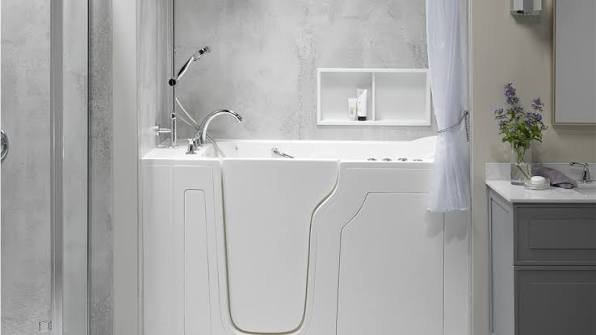
Walk-in tubs fix this by using a door. You just open the door, take a tiny step inside, and sit down. It removes the need to balance on one leg while stepping into a slippery tub. Doesn’t that sound much more peaceful?
Top Features of Walk-In Tubs
When we look for the right tub, we see many options. Most easy-access walk-in tubs for seniors in Garden City, MI come with features that focus on both safety and comfort. Here are the most common ones:
- Low Threshold Doors: These doors let you enter with a step as low as 2 or 3 inches.
- Built-in Seating: Most seats are about 17 inches high. This is like sitting in a chair, so you do not have to lower yourself to the floor.
- Hydrotherapy Jets: These use water or air to massage sore muscles and help with arthritis.
- Non-Slip Floors: The surfaces have a special texture to keep us steady.
- Fast Drain Systems: Since you have to stay in the tub until the water is gone, these systems clear the water in just a minute or two.
Comparing Different Tub Types
To help you decide, we put together a table of the common styles you might find at local stores or through installers in Wayne County.
| Tub Type | Best For | Typical Features |
| Soaker Tub | Simple Safety | Deep water, no jets, low step-in |
| Hydrotherapy Tub | Pain Relief | Water jets for deep muscle massage |
| Aerotherapy Tub | Relaxation | Gentle air bubbles for skin |
| Bariatric Tub | Extra Space | Wider doors and reinforced seating |
| Wheelchair Accessible | Easy Transfers | Large outward-opening doors |
Export to Sheets
What Does a Walk-In Tub Cost in 2026?
We know that price is a major factor. In 2026, the national average cost for a walk-in tub is around $7,800. However, this can change based on the features we choose. A basic soaking tub might start near $3,500. If we want all the bells and whistles, like heated seats and 27 jets, the price can go up to $15,000 or more.+1
It is also vital to think about the work needed to set it up. Most projects in Garden City require a plumber and sometimes an electrician. Installation labor usually adds between $1,500 and $5,000 to the total. While the price might seem high, many people see it as a way to avoid the much higher costs of moving to an assisted living home.
Local Help in Garden City, Michigan
Living in Garden City gives us access to some great local resources. We are lucky to have the Radcliff Center right here on Maplewood Street. They offer many programs for seniors and can often point us toward local help.
If we need help paying for home safety changes, there are options. For example, the USDA offers the Section 504 Home Repair program. This provides grants of up to $10,000 to very-low-income seniors aged 62 and older to remove health and safety hazards. Since a slippery tub is a hazard, this grant can be a lifesaver. We should also check with Wayne Metro Community Action Agency to see if they have any active home repair funds.
How to Choose the Best Tub for Your Home
We should start by looking at our current bathroom. Is there enough space for a new tub? Most walk-in models fit in the same spot as a standard 60-inch bathtub. However, we need to make sure the door can open fully without hitting the toilet or the sink.
We also need to think about our water heater. A walk-in tub holds more water than a standard tub. If we have a small tank, we might run out of hot water before the tub is full. We might need to upgrade to a larger tank or a tankless heater. This is a common thing that people realize after the tub is in, so it is better to plan for it now.
Frequently Asked Questions
1. How long does it take to install a walk-in tub? In most cases, a professional team can finish the job in one or two days. They remove the old tub and put the new one in quite quickly.
2. Will my insurance pay for it? Standard Medicare usually does not cover the cost of the tub because it is seen as a “convenience” item. However, some Medicare Advantage plans or Medicaid programs in Michigan might help if a doctor says it is a medical necessity.
3. Are walk-in tubs hard to clean? No, most are made of high-quality acrylic or fiberglass. These materials are non-porous. This means they resist mold and are easy to wipe down with a mild cleaner.
4. Can I use the tub as a shower too? Yes! Most models come with a handheld showerhead. You can also add a curtain rod to use it just like a regular shower.
5. How do I get out if the power goes out? The doors on these tubs are manual. They use a heavy-duty seal to keep water in. You do not need electricity to open the door, though you must wait for the water to drain first.
6. Is the door really leak-proof? Yes, companies use high-grade seals. Most top brands even offer a lifetime warranty on the door seal because they are so confident in the design.
7. Does the tub take a long time to fill? It depends on your home’s water pressure. Many tubs now come with “high-flow” faucets that fill the tub much faster than a regular tap.
8. Is hydrotherapy good for arthritis? Many doctors say that soaking in warm water helps joint pain. The jets can help blood flow and relax tight muscles.+1