
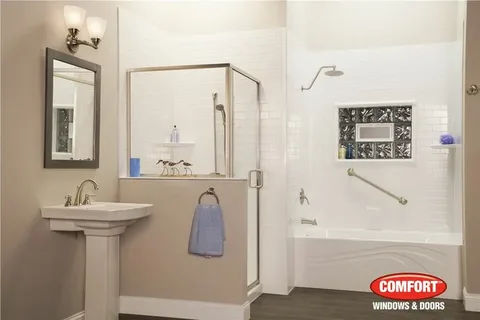
Most homeowners reach a point where the old tub stops earning its space. Stepping over a 16-inch wall every morning gets harder as the years go by, the tub itself only gets used to scrub the dog, and the cramped surround makes the whole bathroom feel dated. That’s when folks around Farmington Hills, Downtown Farmington, and Quakertown started looking into honest bathtub to shower conversion services in Farmington, MI as a practical upgrade rather than a luxury splurge. Marathon Bath Systems has worked on enough Oakland County bathrooms to know what holds up against Michigan’s hard water and humid summers, and where local code inspectors focus their attention.
A good conversion does more than swap a tub for a shower pan. The right install adds usable floor space, makes the room safer for aging family members, fixes ventilation problems hidden behind old tile, and refreshes the look of the whole bathroom in the process. The wrong one leaves you with leaks behind the wall, mold in the subfloor, and a finish that looks dated within five years. This guide walks you through the conversion options worth knowing about, what the work actually looks like from demo to final caulk, the variables that move pricing on a typical Farmington home, and how to vet an installer before signing anything.
Why local homeowners book tub-to-shower upgrades
The majority of conversion lists have aging in place at the top. Between the 1950s and 70s, many Farmington homes were built with 60-inch alcove tubs. While this type of tub worked fine with a young family, it became a safety issue decades later. As you search for services for bathtub to shower conversion in Farmington MI, it is usually due to fall prevention, easier everyday use, or making the home usable for a parent moving in.
It also has an everyday aspect. The National Kitchen and Bath Association 2023 Bath Trends Study continues to show walk-in showers overwhelmingly outsell tubs in every kind of remodel. Most popular for new construction are curbless and low-threshold. Many buyers touring Farmington open houses are passing by dated full-tub bathrooms in favour of homes that have at least one walk-in shower in place.
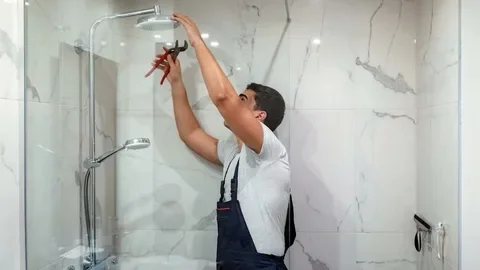
Then there’s a resell. A Zillow study found in the suburban Midwest, homes for sale with a renovated primary bathroom sell faster and at slight premiums. However, most buyers want at least one tub still in the house for resale flexibility. Have you ever lost a buyer because every bathroom felt outdated? An organized conversion in the bathroom is created without removing all tub access in the house.
Conversion options and shower materials worth knowing
Picking the right shower system matters as much as picking the right installer. Reliable bathtub to shower conversion services in Farmington, MI work with one of four main system types, each with different durability, install timeline, and maintenance profile. Knowing the basics helps you compare bids and avoid paying premium prices for budget-grade material.
Acrylic shower wall systems remain the most popular choice for direct tub conversions because they install in a day or two, resist mildew, and clean up easily with standard household products. Solid surface composites step up the durability with seamless walls that look like stone but install in similar time frames. Custom tile showers offer the broadest design freedom and highest finish ceiling, though they take longer and need expert waterproofing underneath.
Cultured marble and onyx panels sit between acrylic and tile, offering a stone-look finish without the grout maintenance. Have you thought about door type? Frameless glass enclosures feel open and modern, sliding doors save floor space, and curtain rods stay the most affordable option. Each choice affects total project cost and visible finish quality.
| Shower System | Install Timeline | Lifespan | Best For |
| Acrylic Walls | 1–2 days | 15–25 yrs | Fast conversions, easy cleaning |
| Solid Surface | 2–3 days | 20–30 yrs | Seamless modern look |
| Custom Tile | 5–10 days | 25+ yrs | Custom design, premium finish |
| Cultured Marble | 2–4 days | 20–25 yrs | Stone look, no grout |
What the conversion process actually looks like
Quality conversion work follows a clear sequence, and rushing any step shows up later as leaks, cracked grout, or shifting wall panels. From the first measure to the final caulk bead, the best bathtub to shower installation services in Farmington, MI stick to a documented process that protects your home and your investment.
Demo, plumbing, and waterproofing prep
First, the crew protects the surrounding floors and fixtures, then pulls the old tub, faucet, drain, and surround. They check the subfloor for water damage, since older Farmington homes often hide rot under tile that looks fine on the surface. Soft spots get cut out and replaced with new plywood or cement board before anything else goes in.
Next comes plumbing changes. The drain location usually shifts since shower drains center under the pan rather than at the tub’s foot end. Hot and cold supply lines get inspected, valves replaced if needed, and rough-in heights adjusted for the new shower head position. Waterproofing membranes go on the walls and corners, and a proper shower pan sets the slope toward the new drain.
Wall system, fixtures, and final inspection
After waterproofing dries, wall panels or tile go in. Acrylic systems click into place with adhesive and sealant at the seams, while tile installs require thinset, spacers, and grout work that takes additional days to cure. Glass doors, shower heads, valves, and trim hardware install once the wet work has fully set.
The checklist for final inspection includes checking the slope toward the drain, flow under pressure, sealed transitions at the floor and ceiling, and clean silicone work at every joint. Any plumbing changes or inspections at rough-in and final require a permit in the City of Farmington according to the Michigan Residential Code. According to Andy Lindus, a remodeling expert who frequently provides insight in Midwest trade publications, the waterproofing layer located behind the walls, not the finish that shows on the outside, will dictate how long your shower lasts.
Factors affecting your final estimated cost
There isn’t a single price for a tub-to-shower conversion, and any contractor who gives you a number over the phone without seeing the bathroom is guessing. The bid for every job in Farmington goes up and down depending on several variables. Knowing those variables allows you to compare bids fairly.
Scope is number one. A project that doesn’t change the size or location of the space, fussing with plumbing or taking out a load-bearing wall will cost a lot less. The condition of what’s going on behind the old tile matters as well since a rotted subfloor or galvanized supply lines will push costs up once the demo reveals them.
Material selection and finish level
Material choice moves the budget meaningfully. Standard acrylic systems sit at the lower end, solid surface and cultured marble fall mid-range, and custom tile with high-end fixtures lands at the top. Faucet, showerhead, and valve grade matter too, since Moen, Delta, Kohler, and Grohe each carry different price tiers within their own lines.
Plumbing changes and access challenges
Plumbing modifications add labor hours. Moving the drain even six inches requires opening the floor or accessing it from below, and adding body sprays or a handheld means new supply lines and valves. Second-floor bathrooms over finished spaces also add complexity since any leak risk affects the room below. Local companies like Marathon Bath Systems that focus on Professional bathtub to shower installation services in Farmington, MI factor those variables into a written estimate up front rather than springing them on your mid-project.
How to pick an installer who’ll stand behind the work
The bath remodel market gets crowded, especially when national chains push heavy advertising in the Detroit metro area. Big-name installers often subcontract local crews, charge premium pricing, and lock you into proprietary product lines. Sorting steady local specialists from short-term operators is half the battle when shopping for bathtub to shower conversion services in Farmington, MI.
Begin with License. In Michigan, residential builders and maintenance and alteration contractors must be licensed by LARA, the state’s Department of Licensing and Regulatory Affairs. The LARA website allows you to check any license number in under a minute. Ask for current general liability and workers’ compensation certificates sent directly from the carrier, not a forwarded screenshot from someone’s phone.
Who applies for the City of Farmington permit? What’s the warranty on the shower system for labor vs. manufacturer? Are the installers regular employees or contract workers? How is plumbing or subfloor damage priced when it surfaces during the demo? What happens if a seam leaks six months after install?
A hard-working remodeler in the Farmington area, such as Marathon Bath Systems, is knowledgeable about local code inspections, understands which shower systems will stand up against Michigan’s hard water, and carries insurance that general handymen often skip. When a bid appears low. Make sure you read the scope. Common shortcuts include vague subfloor allowances, omission of waterproofing details, permit not pulled, and basic fixture grades which are upgraded only at great expense. Before making a choice, get three matched bids
Conclusion
A well-installed tub-to-shower conversion will set you up for safer, easier daily use in your bathroom for two decades. Make sure you check the Michigan LARA licensing, request insurance certificates from the carrier, and compare three itemized bids on matched scope. Take time to understand waterproofing details, permit responsibility, and warranty terms in writing, because those line items will decide whether the shower leaks for 20 years or has problems by the third winter.
Contact Marathon Bath Systems for a free in-home quote when you are ready to consider your bathroom options without pressure. We will assess your current tub space and discuss the type of shower systems and fixtures you had in mind. We’ll prepare a written recommendation that suits your home, your timeline, and your budget so you can make the decision with full information and a clear path forward, without any pushy sales.
FAQ’s
How long does a bathtub to shower conversion take in Farmington, MI?
Most direct conversions wrap in three to five working days. Acrylic systems can finish faster, while custom tile installs typically need seven to ten days for proper waterproofing cure, tile setting, and grout drying. Your contractor should provide a written start and completion window before the demo begins.
Do I need a permit for a tub to shower conversion in Farmington, MI?
Yes for any work involving plumbing modifications, drain relocation, or supply line changes. The City of Farmington requires permits with inspections at rough-in and final stages under Michigan Residential Code. A reputable local contractor pulls the permit in their company name and includes the fee on your written estimate.
What does a bathtub to shower conversion typically cost in Farmington, MI?
Pricing depends on scope, shower system type, plumbing changes, subfloor condition, fixture grade, and door style. Get three itemized written quotes from licensed local contractors with matching scopes. That comparison gives you a clear sense of fair pricing for your specific bathroom layout and finish expectations.
How well do shower wall systems hold up in Michigan’s climate?
Quality acrylic and solid surface systems installed with proper waterproofing handle Michigan humidity and hard water for 15 to 30 years. Tile showers can last even longer when the membrane underneath stays intact. Annual silicone inspection and good ventilation extend the lifespan of any wall system significantly.
Will a tub to shower conversion hurt my home’s resale value in Farmington, MI?
Not usually, as long as at least one tub remains somewhere in the home. Buyers with young children often want one tub for bathing, so converting a secondary bathroom shower works well. Removing every tub from the home can shrink your buyer pool slightly when the time comes to sell.
Most direct conversions wrap in three to five working days. Acrylic systems can finish faster, while custom tile installs typically need seven to ten days for proper waterproofing cure, tile setting, and grout drying. Your contractor should provide a written start and completion window before the demo begins.
Yes for any work involving plumbing modifications, drain relocation, or supply line changes. The City of Farmington requires permits with inspections at rough-in and final stages under Michigan Residential Code. A reputable local contractor pulls the permit in their company name and includes the fee on your written estimate.
Pricing depends on scope, shower system type, plumbing changes, subfloor condition, fixture grade, and door style. Get three itemized written quotes from licensed local contractors with matching scopes. That comparison gives you a clear sense of fair pricing for your specific bathroom layout and finish expectations.
Quality acrylic and solid surface systems installed with proper waterproofing handle Michigan humidity and hard water for 15 to 30 years. Tile showers can last even longer when the membrane underneath stays intact. Annual silicone inspection and good ventilation extend the lifespan of any wall system significantly.
Not usually, as long as at least one tub remains somewhere in the home. Buyers with young children often want one tub for bathing, so converting a secondary bathroom shower works well. Removing every tub from the home can shrink your buyer pool slightly when the time comes to sell.


