Most people don’t think about their bathtub until the day they realize they haven’t actually taken a bath in two years. They step over the high tub wall every morning, balance awkwardly to wash, and quietly wonder why they’re still hanging onto something they never use. If that sounds like your bathroom, you’re exactly the kind of homeowner Marathon Bath Systems works with every week here in Wixom — folks who want a cleaner, safer, more practical space without tearing the whole house apart to get it.
This guide walks through everything worth understanding before you swap that tub for a shower. We’ll cover what the process really looks like, what drives the cost, the materials that hold up in Michigan homes, and how to know whether a conversion is the right call for you. No sales pitch dressed up as advice — just a clear, honest look at a renovation that quietly changes how you start and end your day.
Why So Many Wixom Homeowners Are Trading the Tub for a Shower
Walk through almost any neighborhood in Wixom and you’ll find homes built in the late ’80s through the 2000s, when the standard bathroom came with a deep alcove tub whether the buyer wanted one or not. For families with small kids, those tubs made sense. But kids grow up, knees get creakier, and that once-useful basin slowly becomes the most ignored fixture in the house.
A bathtub to shower replacement solves a problem that builds up gradually. You reclaim usable space, you cut down on cleaning, and you make the room safer to move around in. It’s one of the few renovations that improves daily life and home value at the same time.
The Safety Side Nobody Talks About Until It Matters
Here’s a statistic worth sitting with. The CDC reports that roughly 235,000 people over age 15 visit emergency rooms each year because of injuries in or around the bathroom, and a large share of those happen when someone is getting in or out of a tub. That high tub wall you step over without thinking? It’s one of the most common trip hazards in the entire home.
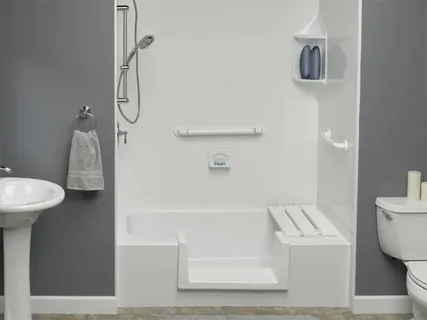
A walk-in shower with a low or zero-threshold entry removes that obstacle entirely. When we install grab bars, a built-in bench, or a curbless base, we’re not just modernizing the look — we’re designing for the person who lives there to stay independent longer. A good portion of our Wixom clients aren’t elderly at all; they’re planning ahead for parents, or simply tired of feeling unsteady on a slick tub floor.
Space, Light, and the Feeling of a Bigger Room
There’s a visual payoff too. Tubs eat floor space and chop up sightlines. Replace one with a sleek glass-enclosed shower and the whole room suddenly breathes. Light moves through clear panels in a way it never could pass a vinyl curtain and a bulky tub apron.
I’ve watched homeowners walk into their finished Expert Bathtub to Shower Replacement in Wixom and genuinely pause, because a space they assumed was just small turned out to be cramped by the wrong fixture all along. That’s the part photos never quite capture.
What the Bathtub to Shower Conversion Process Actually Involves
A lot of people imagine weeks of dust, plumbers tracking through the kitchen, and a bathroom they can’t use for half a month. The reality, when the job is done right, is far less dramatic. Marathon Bath Systems specializes in efficient conversions, and most projects move through a predictable rhythm.
From First Visit to Final Walkthrough
The first step is always an in-home consultation. We measure the existing alcove, check the plumbing layout, and talk through how you actually use the space. This matters because no two bathrooms are identical, and a quote built on guesswork helps nobody.
Once the design and materials are locked in, the physical work begins with careful removal of the old tub. The plumbing gets adapted for a shower drain and valve, the walls are prepped and waterproofed, and the new shower base goes in level and sealed. Wall panels follow, then the door or glass enclosure, fixtures, and finishing touches like trim and caulk lines.
Many straightforward conversions wrap up in a day or two. More involved remodels — where we’re moving plumbing, retiling, or reworking the layout — naturally take longer, but you’ll know that timeline before we ever start.
The Quiet Importance of Waterproofing
If there’s one stage that separates a shower that lasts twenty years from one that fails in five, it’s waterproofing. Water is patient and relentless. A base that isn’t pitched correctly toward the drain, or seams that aren’t properly sealed, will eventually let moisture creep into the subfloor and walls.
Industry best practice follows standards set by the Tile Council of North America and similar bodies, and reputable installers don’t cut corners here. When we build a shower, the parts you can’t see are the parts we obsess over, because that’s where comfort either holds up or quietly falls apart.
Choosing Materials That Survive Michigan Bathrooms
Materials are where a lot of homeowners feel lost, partly because every showroom uses slightly different language for the same things. Let me simplify it. For tub to shower conversions, the conversation usually comes down to a few proven options, each with real trade-offs.
Acrylic, Tile, and Solid Surface Compared
Acrylic wall systems are popular for good reason. They’re non-porous, so they resist mold and soap scum, they wipe clean in seconds, and they don’t have the dozens of grout lines that tile demands. For busy households that don’t want a weekend cleaning project, acrylic is hard to beat on practicality.
Tile offers the most design freedom and a high-end look, but it asks more of you over time. Grout needs sealing and occasional attention, and any crack in the waterproofing behind it can cause hidden trouble. It’s a beautiful choice for someone who wants a custom statement and accepts the upkeep that comes with it.
Solid surface and cultured stone sit somewhere in between — seamless, durable, and elegant, usually at a higher price point. The right pick depends less on what’s “best” and more on how you live and what you want to spend your weekends doing.
A Quick Word on Low-Maintenance Surfaces
If I had to name the single most common request from Wixom homeowners, it’s some version of “I never want to scrub grout again.” That instinct points most people toward acrylic or solid surfaces, and honestly, for everyday family bathrooms, it’s usually the right one. You trade a little design flexibility for years of easy mornings.
What a Bathtub to Shower Replacement Costs in Wixom
Cost is the question everyone wants answered first and the one that’s hardest to pin down without seeing the room. Still, you deserve real ranges rather than vague hand-waving, so let’s talk honestly.
The Factors That Move the Price Up or Down
A basic tub to shower conversion using quality acrylic panels and a standard base typically lands in a moderate range that most homeowners find very reasonable. The number climbs when the project gets more ambitious — custom tile, glass enclosures, relocated plumbing, accessibility features, or higher-end fixtures all add to the total.
Several things consistently influence the final figure. The condition of the existing plumbing matters, since older homes sometimes hide surprises behind the walls. The materials you choose carry the biggest single swing. And any structural or layout changes, like widening the footprint or adding a bench, push the investment higher because they require more labor and more time.
Why the Cheapest Quote Often Costs More
Here’s something a decade in this trade has taught me: the lowest bid frequently becomes the most expensive choice. Corners get cut on waterproofing, thin materials get used, and the homeowner ends up paying twice when something fails. Value isn’t the smallest number on the page it’s the work that still looks great and stays dry a decade later.
A trustworthy contractor explains exactly what’s included, uses proper materials, and stands behind the installation. That transparency is worth more than a discount that quietly disappears the first time water finds a weak seam.
Walk-In Showers and Aging-in-Place Design
One of the fastest-growing reasons people in Wixom convert a tub to a shower has nothing to do with style and everything to do with staying in the home they love. Aging in place the idea of designing a space so you can live independently as you get older has moved from a niche concern to a mainstream priority.
Features Worth Building In Now
A curbless or low-threshold entry, a sturdy built-in seat, anti-slip flooring, a handheld showerhead, and properly anchored grab bars together create a shower that works at every stage of life. The smart move is to plan for these features during the conversion rather than retrofitting them awkwardly later.
These elements follow widely recognized accessibility guidelines, including principles from the Americans with Disabilities Act, even in private homes where ADA isn’t legally required. Building to that standard simply makes for a safer, more usable shower for everyone, from a recovering knee patient to a grandparent visiting for the holidays.
I’ve seen families wait until after a fall to make these changes, and I always wish they’d done it sooner. A conversion done thoughtfully now is far easier emotionally and practically than a rushed renovation under stress.
How to Choose the Right Installer in Wixom
The product matters, but the hands installing it matter more. A premium acrylic system installed poorly will still leak. A modest setup installed by skilled pros will serve you faithfully for years. So vetting your contractor deserves real attention.
Look for a company with deep local experience, clear warranties, and a willingness to answer your questions without pressure. Ask how they handle waterproofing, what their timeline looks like, and whether they’ve worked in homes like yours. The right partner treats your home with care and your time with respect.
Marathon Bath Systems built its reputation in this community on exactly that approach — honest assessments, durable workmanship, and conversions that genuinely improve how the room feels and functions. When the work is done well, you stop thinking about your bathroom altogether, which is the highest compliment a renovation can earn.
Conclusion
Replacing a bathtub with a shower is one of those rare home upgrades that pays you back every single morning. You gain safety, space, easier cleaning, and a room that finally fits how you actually live. The key is doing it thoughtfully, choosing the right materials, insisting on proper waterproofing, and trusting your project to people who know what they’re doing.
If you’ve been stepping over that tub wall for years, take it as a sign. Start with a conversation, get a clear and honest assessment of your space, and picture the difference a well-built walk-in shower could make. The hardest part is usually just deciding to begin.
Frequently Asked Questions
How long does a tub to shower conversion take?
Most straightforward conversions finish in one to two days. Custom tile work or plumbing changes can extend that timeline, but you’ll always get a clear estimate first.
Is a shower replacement worth it for resale value?
Yes, in most cases. Updated, low-maintenance showers appeal to a wide range of buyers and modernize the whole bathroom, often returning a solid share of the investment.
What material is easiest to keep clean?
Acrylic and solid surfaces lead the pack. Both are non-porous and seamless, so they resist mold and soap scum and wipe down quickly without grout scrubbing.
Are walk-in showers safe for older adults?
They can be very safe when designed well. Low thresholds, grab bars, anti-slip floors, and a built-in seat dramatically reduce fall risk compared to climbing into a tub.
Will I lose the only tub in my house?
That’s worth weighing. If you have another tub or rarely bathe, conversion makes sense. Families with young children sometimes keep one tub elsewhere in the home.