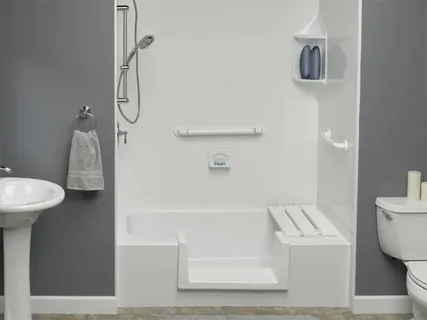

Stepping over a high tub wall at 6 a.m. shouldn’t feel like a small act of bravery. Yet for thousands of homeowners across Oakland County, that daily climb is exactly why they finally pick up the phone and at Marathon Bath Systems, it’s the conversation we have almost every single day with families right here in Walled Lake.
A walk-in shower changes more than a bathroom. It changes how safe you feel in your own home. So before you commit to a project that touches plumbing, tile, and the value of your house, it helps to understand what a good installation actually looks like and what separates a clean, lasting job from a leaky headache two years down the road.
Let me walk you through it the way I’d explain it to a neighbor over the fence.
Why Walk-In Showers Have Taken Over Walled Lake Bathrooms
Ten years ago, the standard tub-shower combo ruled almost every home. Today, the demand has flipped hard toward open, low-threshold designs. Part of it is style. A frameless glass enclosure simply looks cleaner and more modern than a curtain and a tub.
But the bigger driver is practical living. Walled Lake has a strong mix of long-time residents and growing families, and both groups want the same thing: a bathroom that works for them now and twenty years from now.
That’s the quiet genius of a barrier-free shower. It serves a parent who’s tired of scrubbing tub grime, and it serves an aging homeowner who wants to keep their independence. One renovation, two completely different problems solved.
Accessibility Without the Institutional Look
Here’s a misconception I run into constantly. People assume an accessible shower has to look like a hospital. It doesn’t.
A modern curbless shower can include grab bars, a built-in bench, and anti-slip flooring while still looking like something out of a design magazine. We’ve installed plenty where guests have no idea the layout was planned around mobility. The safety features blend in because they’re chosen deliberately, not bolted on as an afterthought.
The National Institute on Aging notes that a large share of injury-related falls among older adults happen in the bathroom — wet, hard surfaces are unforgiving. A well-designed walk-in shower directly attacks that risk, and that’s not marketing fluff. It’s the single most common reason adult children call us about their parents’ homes.
Resale Value and Buyer Expectations
Bathrooms sell houses. That’s been true for decades and it isn’t changing.
When buyers tour a home in the Walled Lake market, an updated, open shower reads as “move-in ready.” A dated tub with cracked caulk reads as “another project I have to pay for.” Remodeling industry data consistently shows mid-range bathroom updates recovering a meaningful chunk of their cost at resale — and a clean shower conversion is one of the most visible upgrades a buyer notices.
What a Quality Walk-In Shower Installation Actually Involves
This is where experience matters, because the parts you can see are the easy part. The parts behind the wall decide whether your shower lasts.
A proper installation isn’t just swapping a tub for a pan. It’s a sequence of waterproofing, framing, plumbing, and finishing steps that each have to be done right before the next one starts.
The Demolition and Prep Stage
Every solid project starts with honest demolition. We remove the old tub or shower, and that’s usually when surprises show up — soft subfloor, old galvanized pipes, hidden water damage from years of slow leaks.
Good Walk-In Shower Installation in Walled Lake, MI is a crew that’s done hundreds of these jobs in similar mid-century and newer Walled Lake homes already knows what tends to lurk behind the walls. We’d rather find a rotted joist on day one than have you discover it through a sagging floor next winter.
Prep also means protecting the rest of your home. Plastic barriers, floor coverings, and a clean daily worksite aren’t luxuries. They’re a sign the company respects that you still live in the house while we work.
Waterproofing — The Step Nobody Sees But Everyone Pays For
If I could tattoo one lesson on every homeowner’s brain, it would be this: waterproofing is the whole ballgame.
A beautiful tile job over poor waterproofing is a slow-motion disaster. Water finds the weak point, seeps into framing, and rots from the inside. By the time you see a stain on the ceiling below, the damage has been building for months.
We use industry-standard waterproof membrane systems and seal every seam, corner, and pipe penetration. This follows the same building-science principles the Tile Council of North America promotes — continuous, tested water barriers behind the finished surface. It costs more in labor. It’s also the difference between a shower that lasts and one that fails.
Choosing Your Shower Base and Walls
Now the fun, visible decisions. You’ve got two broad paths here, and each suits a different homeowner.
Acrylic and Solid-Surface Systems
Engineered acrylic walls and bases are nonporous, grout-free, and remarkably easy to clean. For busy families and anyone who hates scrubbing, this is often the sweet spot — durable, fast to install, and resistant to mold.
Custom Tile Builds
Tile offers near-endless design freedom and a high-end look. The trade-off is grout maintenance and a longer installation timeline. For homeowners chasing a specific aesthetic, the extra effort pays off.
There’s no universally “right” answer. The right answer depends on your budget, your patience for upkeep, and how long you plan to stay in the home.
How Marathon Bath Systems Approaches Walled Lake Projects
I’ll be honest about something the industry doesn’t love admitting: a lot of bathroom problems come from rushed, undertrained crews chasing volume. Speed beats quality, and the customer pays for it later.
We’ve built our reputation on the opposite approach. Fewer corners cut, more attention to the parts that don’t show. That philosophy shapes everything from how we measure to how we seal.
Local Knowledge Is a Real Advantage
Walled Lake homes aren’t all the same. We see everything from older lake-area cottages with quirky plumbing to newer subdivisions with predictable layouts. Each comes with its own tendencies.
A contractor who works this area regularly already understands the common pipe configurations, the typical floor framing, and the permit expectations in Oakland County. That local fluency translates into fewer surprises and a smoother timeline for you.
A Realistic Timeline, Not a Fantasy
Most straightforward walk-in shower conversions installation services wrap up in a matter of days, not weeks — assuming no major hidden damage. Custom tile work runs longer because of the dry times between steps.
Beware anyone who promises a flawless luxury remodel in a single afternoon. Real waterproofing and adhesives need time to cure. Cutting that short is exactly how leaks begin.
Planning Your Budget and Avoiding Common Mistakes
Money talk makes people nervous, so let’s keep it grounded and useful.
Walk-in shower projects span a wide range. A clean acrylic conversion sits at the more affordable end, while a fully custom tiled, frameless-glass spa build climbs considerably higher. The variables are size, materials, glass type, and how much behind-the-wall repair turns up.
The cheapest quote is rarely the cheapest project. I’ve watched too many homeowners chase a lowball number, skip permits or waterproofing, and pay double to fix it later.
Questions Worth Asking Any Installer
When you interview companies, a few questions separate pros from pretenders. Ask how they handle waterproofing specifically. Ask whether they pull permits. Ask who’s actually on the crew — subcontractors or trained employees.
Their answers tell you almost everything. A confident, specific reply signals experience. Vague reassurance signals trouble.
The Maintenance Reality
A walk-in shower is low-maintenance, not no-maintenance. Acrylic surfaces wipe clean with mild cleaners. Tile needs occasional grout attention and resealing.
Either way, ventilation matters enormously. A working exhaust fan does more to prevent mold than any cleaning product on the shelf. Skip ventilation and even the best installation fights an uphill battle.
Conclusion
Here’s the honest summary. A walk-in shower is one of the highest-impact upgrades you can make to a Walled Lake home — for safety, for daily comfort, and for resale appeal.
But the value lives entirely in the execution. Beautiful surfaces over careless waterproofing is money set on fire. Done right, the same project quietly serves your family for decades.
So take your time, ask the hard questions, and choose a team that talks as much about what’s behind the wall as what’s in front of it. That single instinct will steer you toward a result you’ll be glad about every single morning — no bravery required to step inside.
When you’re ready to talk specifics for your own bathroom, Marathon Bath Systems is here to walk the space with you and give you a straight, honest assessment.
Frequently Asked Questions
How long does a walk-in shower installation take?
Most acrylic conversions finish within several days. Custom tile builds take longer because adhesives and grout need proper curing time before use.
Is a walk-in shower safe for elderly family members?
Yes, especially with grab bars, a bench, and anti-slip flooring. A curbless entry removes the high step that causes many bathroom falls.
Do I need a permit for a shower conversion in Walled Lake?
Often yes, particularly when plumbing changes are involved. A reputable installer handles permits and local code compliance for you.
What’s better, acrylic or tile?
Acrylic is easier to clean and faster to install. Tile offers more design freedom but needs ongoing grout maintenance over time.
Can a tub be converted to a shower without major renovation?
Usually, yes. Many tub-to-shower conversions reuse the existing footprint, which keeps the project simpler, faster, and more affordable.