Stepping over a high tub wall gets harder every year, and for plenty of Southfield homeowners, that one daily struggle is the breaking point. That’s usually the moment people call a team like Marathon Bath Systems and ask the same question: can we turn this old tub into a shower I can simply walk into? The answer is almost always yes — and the process is far smoother than most people expect.
This guide walks you through everything a homeowner here in Southfield, MI should know before converting a bathtub to a walk-in shower. We’ll cover why people make the switch, how the work actually unfolds, what it costs, and how to choose materials and a contractor you can trust. Think of it as the conversation you’d have with a friend who happens to remodel bathrooms for a living.
Why Homeowners in Southfield Are Trading Tubs for Walk-In Showers
The bathtub used to be the centerpiece of every bathroom. These days, fewer people soak and more people want a quick, safe, easy shower. That single shift in habit is driving a wave of tub-to-shower conversions across Oakland County, and Southfield is right in the middle of it.
There’s a practical reason too. National data from the CDC has long shown that the bathroom is one of the most common places for slip-and-fall injuries at home, and climbing over a slick tub edge is a big part of that risk. Remove the wall you have to step over, and you remove a huge chunk of the danger.
The Shift Toward Accessibility and Aging in Place
Most of our conversion calls fall into one of two camps. Either someone is planning ahead for retirement, or someone just had a health scare and needs a safer setup fast.
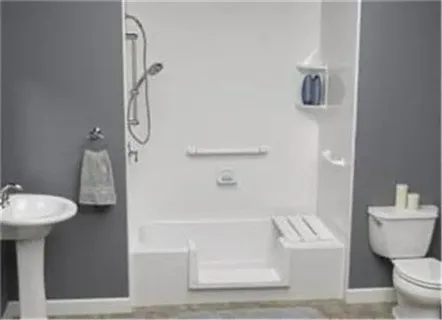
Aging in place is a real movement, not a marketing phrase. AARP surveys consistently find that the overwhelming majority of older adults want to stay in their own homes as long as possible. A barrier-free shower with a low or zero threshold, a built-in bench, and grab bars makes that goal realistic instead of wishful.
I’ve seen homeowners in their fifties make this change purely as a long-term investment. They’re not struggling yet — they just don’t want to renovate twice. That’s smart thinking, and it’s becoming the norm.
Space, Style, and Everyday Practicality
Not every conversion is about safety. Plenty of Southfield homeowners simply want a fresher, more open bathroom.
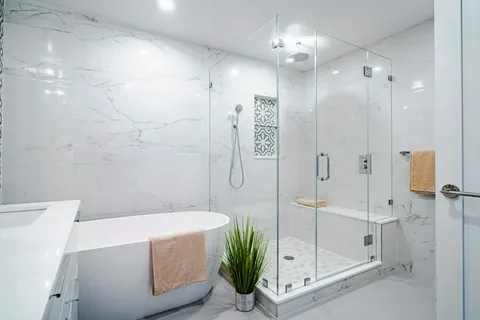
A walk-in shower opens up a small room visually. Swap a bulky tub for a glass-enclosed shower, and a cramped hall bathroom suddenly breathes. Add a niche for shampoo, a rainfall showerhead, and clean tilework, and you’ve upgraded the whole feel of the space without moving a single wall.
There’s also the matter of who actually uses the tub. If your kids are grown and nobody has taken a bath in three years, that tub is just occupying valuable real estate.
What Actually Happens During a Bathtub to Walk-In Shower Conversion
People often imagine weeks of demolition and dust. In reality, a straightforward tub-to-shower replacement is one of the more contained Bathtub to Walk-In Shower Conversions in Southfield, MI projects you can take on, and many are finished in a matter of days.
Here’s how the work typically moves from start to finish.
Assessment and Planning
Every good conversion starts before anyone picks up a tool. A specialist comes out, measures the existing tub alcove, checks the plumbing location, and inspects the wall behind the surround for hidden water damage.
This step matters more than most homeowners realize. Old tubs often hide soft drywall, rotted studs, or mold that’s been quietly spreading. Catching that early keeps a simple project from turning into a surprise repair bill halfway through.
During planning, you’ll also lock in the big decisions: shower base size, threshold height, wall material, and fixtures. Getting these choices right up front keeps the installation fast and clean.
Removal, Waterproofing, and Installation
Once the plan is set, the old tub comes out. Crews disconnect the plumbing, remove the tub and surround, and clear the alcove down to the studs when needed.
Then comes the part that earns its keep: waterproofing. A proper conversion includes a watertight shower base, sealed wall panels or tile backer, and carefully fitted seams. This is where corners get cut by cheap operators, and it’s exactly where you don’t want them cut. Water finds every weakness.
After waterproofing, the team installs a bathtub to walk-in shower , the new base, wall surrounds, fixtures, and any extras like a bench, grab bars, or a glass door. Final caulking and a leak check finish the job.
A Typical Step-by-Step Timeline
To give you a realistic picture, here’s how a standard conversion in a Southfield home tends to play out:
Day one usually covers demolition and removal of the old tub, plus inspection of anything hidden behind it. Day two focuses on plumbing adjustments and waterproofing the base and walls. Day three handles installation of the new shower base and wall panels. The final day is reserved for fixtures, doors, sealing, and a full water test.
Some acrylic system conversions move even faster — occasionally a single day — while custom tile builds run longer because grout and mortar need curing time.
Choosing the Right Walk-In Shower for Your Home
The shower you pick shapes both your daily experience and your long-term maintenance. This is where a little upfront thought pays off for years.
Materials That Hold Up in Michigan Homes
Acrylic is the workhorse of modern conversions, and for good reason. It’s non-porous, resists mold, wipes clean in seconds, and stands up well to Michigan’s humidity swings. For homeowners who hate scrubbing grout, acrylic is a relief.
Tile offers a more custom, high-end look, and many people love it. The tradeoff is maintenance — grout lines need sealing and occasional cleaning to stay mold-free. Fiberglass sits at the budget end but tends to yellow and crack sooner, so it’s rarely my first recommendation for a long-term solution.
If you want the cleanest balance of durability, looks, and easy upkeep, a quality acrylic system is hard to beat.
Curbless, Low-Threshold, and Barrier-Free Options
The threshold — that little step into the shower — defines how accessible your new space really is.
A low-threshold base keeps water in while staying easy to step over, which suits most households. A curbless or barrier-free design removes the step entirely, allowing a wheelchair or walker to roll straight in. That option requires careful floor sloping and drainage, so it’s worth doing with an experienced installer.
For aging-in-place projects, I usually steer people toward the lowest threshold their bathroom layout allows. You can always add a bench and grab bars later, but a lower entry is the safety feature you’ll appreciate every single day.
How Much Does It Cost to Convert a Bathtub in Southfield, MI
Cost is the question everyone wants answered first, so let’s talk numbers honestly. A tub-to-shower conversion in the Southfield area generally ranges from a few thousand dollars for a straightforward acrylic swap up to a higher figure for full custom tile work with premium fixtures.
That spread is wide because no two bathrooms are identical. A like-for-like conversion in the same footprint is the most affordable path. The moment you move plumbing, expand the space, or discover hidden damage, the price climbs.
What Drives the Price Up or Down
Several factors push your final number in one direction or the other.
Material choice is the biggest lever — acrylic systems cost less than custom tile. Whether your plumbing stays put or needs relocating matters too, since moving a drain adds labor. The condition behind your old tub plays a role, because repairing rotted studs or water damage adds to the scope. Finally, add-ons like glass enclosures, benches, niches, and premium fixtures each nudge the total upward.
The good news is that a standard same-footprint conversion keeps most of these costs in check.
Is It Worth the Investment
From a resale standpoint, bathroom updates consistently rank among the better remodeling investments. Industry reports like Remodeling Magazine’s annual Cost vs. Value study regularly show midrange bathroom improvements recovering a meaningful share of their cost at sale.
But resale isn’t the whole story. The real return shows up in daily safety and comfort — fewer fall risks, less scrubbing, and a bathroom you actually enjoy using. For households planning to stay put, that everyday value often outweighs the resale math entirely.
Safety, Accessibility, and Long-Term Value
A walk-in shower isn’t just a cosmetic upgrade. Done right, it’s a long-term safety system built into your home.
Building for Aging in Place
The most future-proof conversions share a few features. A low or zero threshold removes the trip hazard at the entry. Slip-resistant flooring keeps footing secure when surfaces are wet. Properly anchored grab bars — installed into blocking behind the wall, not just screwed into drywall — give real support. A built-in bench lets anyone sit while showering.
These aren’t only for seniors. Pregnant family members, anyone recovering from surgery, and people with mobility limits all benefit. Designing for accessibility quietly makes the bathroom better for everyone in the household.
Avoiding Water Damage and Mold
Michigan’s freeze-thaw cycles and humid summers are tough on bathrooms. A conversion that skimps on waterproofing invites slow leaks, and slow leaks invite mold and structural rot.
This is the single most important reason to use a qualified installer rather than a weekend handyman. The waterproofing layer hides behind the walls where you’ll never see it — until it fails. Insist on a proper base, sealed seams, and a documented leak test before final payment.
Choosing a Local Conversion Specialist in Southfield
Picking the right contractor matters as much as picking the right shower. A beautiful surround installed over poor waterproofing is a problem waiting to surface.
Look for a company that specializes in bath conversions rather than one that does a little of everything. Ask how long they’ve worked in the Southfield and Oakland County area, since local crews understand regional permitting and home styles. Confirm they’re licensed and insured, and ask to see real before-and-after examples of their work.
Warranty coverage tells you a lot too. A contractor confident in their waterproofing and materials will stand behind both. When a company hesitates to put guarantees in writing, treat that as a signal.
The best local specialists treat the consultation as a conversation, not a sales pitch. They measure carefully, explain your options plainly, and give you a clear written estimate. That’s the standard worth holding out for.
Conclusion
Converting a bathtub to a walk-in shower in Southfield is one of those upgrades that improves your home and your daily life at the same time. You gain safety, you gain space, and you gain a bathroom that fits how you actually live now — not how someone built it decades ago.
Start by deciding what matters most to you: accessibility, style, budget, or all three. Get a professional assessment to uncover anything hidden behind your old tub. Choose durable materials and a low threshold you’ll appreciate for years. Then hire a specialist who treats waterproofing as seriously as you do.
Make those moves, and your old tub becomes a clean, safe, walk-in shower that earns its place in your home every single day.
Frequently Asked Questions
How long does a tub-to-shower conversion take?
Most standard conversions finish within two to four days. Acrylic systems can sometimes wrap in a single day, while custom tile takes longer because of curing time.
Can any bathtub be converted to a walk-in shower?
Almost always, yes. Standard alcove tubs convert easily, and even awkward layouts can be reworked, though relocating plumbing adds time and cost.
Will a walk-in shower add value to my home?
It often does. Updated, accessible bathrooms appeal strongly to buyers, and industry studies show bathroom upgrades recover a solid share of their cost at resale.
Is a curbless shower a good idea for older adults?
It’s excellent for aging in place. A zero-threshold entry removes the step completely, making the shower safe for walkers and wheelchairs while reducing fall risk.
Do walk-in showers leak more than bathtubs?
Not when installed correctly. Proper waterproofing, a sealed base, and a leak test keep a quality conversion watertight for many years.