Your bathroom is the most frequently used room in your home, yet it’s also the most dangerous. According to the CDC, over 235,000 people visit emergency rooms each year due to bathroom injuries – and that number is rising. What’s more concerning is that experts estimate that 80% of these accidents could have been prevented with proper safety measures and regular maintenance checks. While most homeowners focus on obvious issues like loose tiles or faulty faucets, it’s often the hidden problems that pose the biggest risks. That’s why we’ve created this simple 3-minute safety check that could literally save lives – or at minimum, help you avoid thousands in emergency repairs.
As bathroom safety specialists who’ve helped thousands of homeowners upgrade their bathrooms, we’ve seen firsthand how small issues can quickly escalate into major problems. The good news? Most serious bathroom safety issues show early warning signs that are easy to spot – if you know what to look for. This quick assessment walks you through exactly what to check, what to look for, and most importantly, what to do if you spot potential problems.
Grab a pen, set a timer for 3 minutes, and let’s make sure your bathroom is as safe as you think it is.
Step 1: Check Your Shower Base (60 seconds)
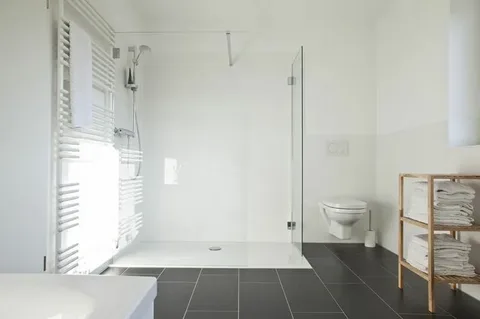
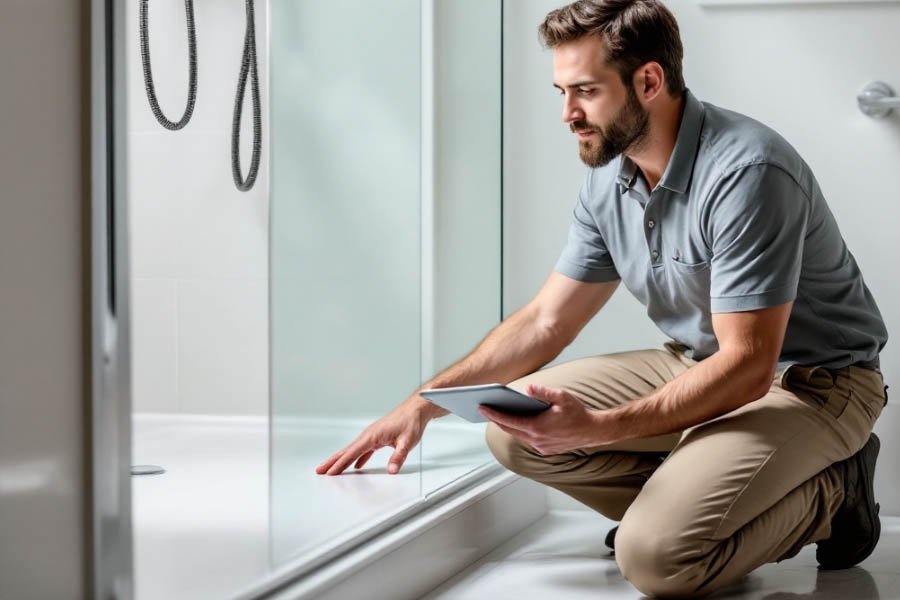
Stand in your shower and do this quick test
• Does the floor feel solid, or is there any “give” when you step in certain spots?
• Are there any cracks, chips, or rough patches that could catch bare feet?
• Does water drain quickly, or does it pool in certain areas?
• Is there any discoloration or staining that won’t clean away?
Warning Signs:
- Sponginess in any area of the floor
- Visible cracks or damage
- Standing water after showers
- Persistent stains or discoloration
Expert Tip: Many homeowners don’t realize that shower base problems often indicate serious underlying issues that can lead to structural damage if not addressed.
Step 2: Inspect Wall Surfaces (60 seconds)
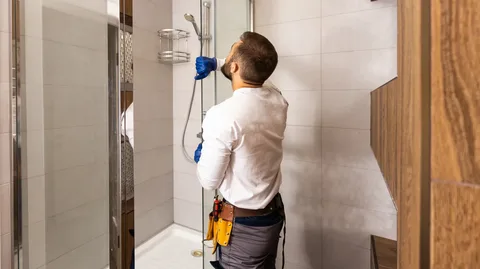
Run your hand along the shower walls and look for:
• Are there any soft spots in the walls?
• Can you see dark spots or discoloration, especially in corners?
• Are the seams separating or showing signs of wear?
• Is there any peeling, bubbling, or cracking?
Warning Signs:
- Soft or flexible wall areas
- Visible mold or mildew
- Separated or deteriorating seams
- Water stains on walls outside the shower
Expert Tip: Modern composite wall systems eliminate these common problems and require virtually no maintenance compared to traditional materials.
Step 3: Safety Feature Assessment (60 seconds)
Check these critical safety elements:
• Is there anything sturdy to grab if you slip?
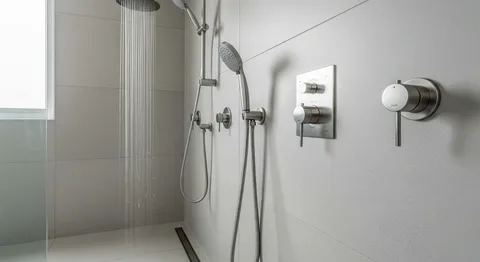
• Are shower controls easily reachable without overextending?
• Is the lighting adequate for early mornings or evenings?
• Are bath products stored safely without risk of falling?
Warning Signs:
- No secure grab points
- Hard-to-reach controls
- Poor lighting
- Unstable storage solutions
Expert Insight: Many homeowners don’t realize that modern safety features can be both functional and stylish, actually adding to your bathroom’s aesthetic appeal.
When to Take Action
If you noticed any of these warning signs, don’t wait for problems to worsen. Even minor issues can quickly develop into major problems that threaten both safety and your home’s value.
Modern Solutions
Today’s bathroom solutions offer:
• Slip-resistant surfaces that stay beautiful
• Integrated safety features that look sophisticated
• Composite materials that eliminate mold concerns
• Quick installation with minimal disruption
Did You Know?
Most premium shower conversions can be completed in just 48 hours, dramatically reducing the renovation hassle while providing decades of safety and peace of mind.
Take Action Now
If your bathroom showed any warning signs during this 3-minute check, it’s time to explore your options. Modern solutions are more affordable and less disruptive than you might think.