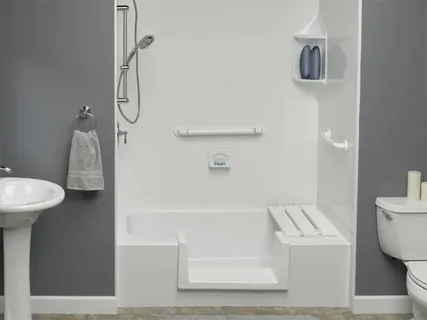

A luxury walk-in bathtub gives you safer entry, spa-grade comfort, and real independence at home. It pairs a low step-in door with hydrotherapy jets and anti-slip surfaces. For many Brighton families, it turns a daily fall risk into the best part of the day.
That short answer covers the “why.” Now let me walk you through everything a smart buyer actually wants to know before spending a dollar.
Picture this: your knee gives out for half a second as you lift your leg over a tub wall, and your whole body tenses. That tiny moment is exactly what a walk-in tub is built to erase, and it’s why Marathon Bath Systems keeps fielding calls from Brighton homeowners who want the comfort of a long soak without the dread of climbing in and out. The conversation almost always starts with safety. It almost always ends with the words “spa day.”
A walk-in bathtub is not a hospital fixture. The good ones feel like a small wellness retreat tucked into your existing bathroom. And in a market like Brighton, MI, where many homes were built with standard 60-inch alcove tubs, swapping in a properly fitted luxury model can change how a person feels about their own home.
Let me break down what these tubs really offer, what installation looks like, how to pick a trustworthy local installer, and what the whole thing tends to cost.
What Actually Makes a Walk-In Bathtub “Luxury”
Plenty of companies slap the word “luxury” on a basic tub with a door. That’s not the same thing. A genuine luxury walk-in tub earns the label through engineering, materials, and the small details you only notice after years of use.
The baseline is simple. You open a watertight door, step over a threshold that sits just a few inches off the floor, sit on a built-in seat, and the tub fills around you. When you’re done, the water drains and you step back out. No climbing, no awkward balancing.
But the leap from “functional” to “luxury” happens in three places.
Hydrotherapy and Spa-Grade Features
This is where the magic lives. Warm-water jets, sometimes called hydro jets, push streams of heated water against your back, hips, and legs. Air jets do the opposite by sending thousands of tiny bubbles up through the water for a softer, all-over massage.
Combine the two and you get a dual-system soak that rivals a day spa. Many people with arthritis, poor circulation, or chronic lower-back pain tell us the jets are the reason they finally enjoy bathing again.
Top models add heated backrests, chromotherapy lighting that shifts color to set a mood, and fast-fill faucets so you’re not sitting in a cold tub waiting for it to fill. A quality heated seat alone changes the whole experience on a Michigan winter morning.
Materials, Comfort, and Smart Design
Cheap tubs use thin acrylic that flexes and stains. Luxury tubs use reinforced, gel-coat acrylic or high-grade fiberglass that holds heat longer and resists mildew. The difference shows up after the first year, not the first week.
Comfort details matter just as much. A contoured seat at the right height, an ergonomic backrest, textured anti-slip flooring, and easy-reach controls all separate a tub you tolerate from one you love. The door seal is the quiet hero here. A premium, low-maintenance seal keeps water in without forcing you to wrestle a stiff latch.
Why Brighton, MI Homeowners Keep Making the Switch
Brighton is full of Luxury Walk-In Bathtub in Brighton, MI who have lived in the same house for decades and have zero interest in leaving. That single fact drives most of the demand for accessible bathing in this area. People want to stay put. They just want the bathroom to keep up with them.
I’ve seen the pattern again and again. A minor slip, a doctor’s gentle warning, or a spouse’s worry becomes the tipping point. Suddenly a standard tub feels less like a convenience and more like a hazard waiting for a bad day.
Aging in Place Without Leaving the Home You Love
“Aging in place” is the industry term for staying in your own home safely as you get older, and it’s one of the biggest reasons walk-in tubs sell. The bathroom is statistically one of the most dangerous rooms in any house, and the tub is the riskiest spot in that room.
A walk-in model removes the single most dangerous movement, which is lifting a leg over a high wall while standing on a wet surface. That one change can be the difference between independence and an avoidable ER trip. According to long-running public-health data from the CDC, falls remain the leading cause of injury among adults over 65, and a large share happen at home. A safer bath is one of the most direct ways to push back against that statistic.
Safety That Doesn’t Sacrifice Style
Here’s the part people underestimate. A modern walk-in tub does not look like medical equipment. Clean lines, tile surrounds, modern fixtures, and color-matched panels let it blend into a refreshed bathroom instead of standing out as a “senior” device.
That matters for resale, too. A bathroom that looks updated and reads as universally accessible appeals to a broad pool of future buyers, not just one demographic.
What a Professional Installation Actually Looks Like
A walk-in tub is only as good as the installation behind it. A perfect tub installed poorly will leak, drain slowly, or fail its door seal within a year. This is exactly where a seasoned local team earns its fee.
Reputable installers treat the project as a small remodel, not a swap. That means careful measuring, plumbing and electrical checks, and a clear plan for your specific bathroom layout before anyone touches a wrench.
The Assessment and Measuring Stage
Everything starts with a home visit. A good estimator measures your existing tub space, checks your water heater capacity, inspects the drain line, and asks how you actually plan to use the tub. Someone who wants deep hydrotherapy soaks needs different specs than someone focused purely on safe entry.
This is also where an honest company tells you the truth. If your water heater is too small to fill a deep tub with hot water, they’ll flag it. If your floor needs reinforcement, they’ll say so up front rather than after the demo.
Installation Day and a Realistic Timeline
Most standard replacements wrap up in a single day to two days when the existing footprint is similar. Larger remodels with new tile, relocated plumbing, or a tub-to-walk-in conversion can run longer.
Step-by-step, the way a clean install usually runs
- Protect and demo. Crews lay down floor protection, then remove the old tub and any damaged surround.
- Prep the space. They confirm the subfloor is sound, adjust plumbing and electrical for jets and heaters, and level the base.
- Set the tub. The new walk-in unit is positioned, leveled, and sealed, with the door tested for a watertight close.
- Finish and test. Installers add the surround, faucets, and trim, then run a full water test to confirm fill, drain, and jet function before they leave.
That final water test is non-negotiable. Never accept a “we tested it earlier” answer. You want to see it fill, jet, and drain with your own eyes.
How to Choose the Right Walk-In Tub Service in Brighton
Not every company that sells these tubs installs them well, and not every installer carries quality tubs. The sweet spot is a team that handles both, because then a single company owns the result.
Local matters more than people expect. A Brighton-based or Michigan-based installer can return quickly for service, knows regional permitting, and has a reputation tied to the community. A national outfit that subcontracts to whoever is cheapest that week is a different gamble entirely.
Questions Worth Asking Before You Sign
Ask who actually performs the install, and whether they’re employees or subcontractors. Ask how long the door seal is warranted and what the labor warranty covers. Ask to see local references or recent photos from jobs near Brighton.
Then ask the uncomfortable one: what happens if it leaks in eighteen months. The way a salesperson answers that question tells you almost everything about how the company treats people after the check clears.
Warranties, Certifications, and Trust Signals
A strong warranty is the single clearest trust signal in this industry. Look for a lifetime or long-term warranty on the tub shell and door seal, plus a separate, clearly stated warranty on labor and installation.
Beyond paper, look at how the company talks. Experienced installers explain trade-offs honestly and don’t pressure you into “today only” pricing. High-pressure, one-day-only discounts are a classic red flag in the home-improvement world, and a confident, established company rarely needs them.
Cost, Value, and the Long-Term Payoff
Let’s talk about money, because this is where most people quietly stall. A luxury walk-in bathtub, fully installed, generally lands in a wide range depending on features, your bathroom’s condition, and how much plumbing or tile work the job requires. Basic safety-focused models sit at the lower end. Dual-jet, fully loaded spa units with extensive remodeling sit higher.
The honest way to think about it is cost versus value. A single prevented fall, the avoided assisted-living move, the years of safe independence at home, those outcomes dwarf the price tag for most families. That’s the real math behind the purchase.
What Drives the Final Price
Features carry the biggest weight. Adding hydro and air jets, heated seats and backrests, fast-fill faucets, and premium lighting raises the number quickly. The second big factor is the install itself, because relocating plumbing, upgrading a water heater, or adding tile work all add labor.
A like-for-like replacement in an existing tub space is almost always the most affordable path. A full conversion from a different layout costs more because it’s closer to a true remodel.
A simple way to compare two quotes
When two estimates differ, line them up on three things: the tub’s exact model and feature list, the full scope of labor in writing, and the warranty terms on both the unit and the work. A lower price that quietly drops the labor warranty or downgrades the tub is not actually cheaper. It’s just a smaller promise.
Conclusion
A luxury walk-in bathtub is one of those rare home upgrades that delivers on two fronts at once. It protects you from a very real danger, and it genuinely improves your daily life with something close to a spa soak at home.
For Brighton, MI homeowners who want to age in place, recover comfort lost to arthritis or mobility issues, or simply remove a quiet daily worry, the choice tends to make itself once they understand the options. The key is picking a company that installs as carefully as it sells.
If you’re weighing this for yourself or a parent, start with a free in-home assessment, get the scope in writing, and insist on watching that final water test. Do those three things and you’ll buy with confidence instead of hope. Marathon Bath Systems and other established local specialists are a sensible place to begin that conversation in the Brighton area.
Frequently Asked Questions
How long does a walk-in tub last?
A quality unit typically lasts well over a decade, often the lifetime of the homeowner, when the door seal is maintained and the tub is cleaned regularly. The warranty on the shell and seal is your best lifespan indicator.
Are walk-in bathtubs safe for people with limited mobility?
Yes, and that’s their core purpose. Low thresholds, built-in seats, grab bars, and anti-slip floors remove the most dangerous movements involved in bathing, which makes them well suited to seniors and anyone with mobility challenges.
How long does installation usually take?
A straightforward replacement in an existing tub space often finishes in one to two days. Larger conversions involving new tile or relocated plumbing take longer, which a good installer will explain during the assessment.
Will I have enough hot water to fill the tub?
That depends on your water heater. Deep luxury tubs hold more water, so a skilled installer checks your heater’s capacity first and may recommend an upgrade or an in-line heater to keep the soak warm.
Do walk-in tubs add value to a home?
A well-designed, accessible bathroom can broaden your home’s appeal, especially in neighborhoods with many long-term and older residents. It reads as an upgrade rather than a medical fixture when finished tastefully.