
Most people don’t think twice about their bathtub until the morning they realize they’re stepping over a 15-inch wall just to rinse off. That single moment is why so many homeowners across town now search for how to convert a bathtub to a walk-in shower in Northville — and why Marathon Bath Systems has spent years turning cramped, awkward tub spaces into open, safe, beautiful showers that people actually look forward to using.
This guide walks you through the whole picture: why the switch makes sense, how the work gets done, what it costs, and how to choose a crew that won’t leave you with leaks and regret. Think of it as the conversation you’d have with a contractor friend who has nothing to sell you and everything to tell you.
Why Northville Homeowners Are Trading Tubs for Walk-In Showers
The tub used to be the centerpiece of every bathroom. Now it’s often the least-used fixture in the house. Ask around your own street and you’ll hear the same thing — the kids are grown, nobody takes baths anymore, and that big basin just sits there collecting dust and dripping faucets.
There’s a practical reason the shift is happening so fast. The bathroom is one of the most common places for slips and falls in the home, and stepping over a high tub wall on a wet surface is a daily gamble. Industry safety groups and organizations like the CDC have long flagged the bathroom as a high-risk zone, especially for anyone over 60.
Then there’s the aging-in-place trend. AARP research has consistently shown that the overwhelming majority of older adults want to stay in their own homes rather than move into assisted living. A walk-in shower with a low or zero threshold is one of the single most effective upgrades for making that possible.
Space, Light, and the Feel of a Bigger Room
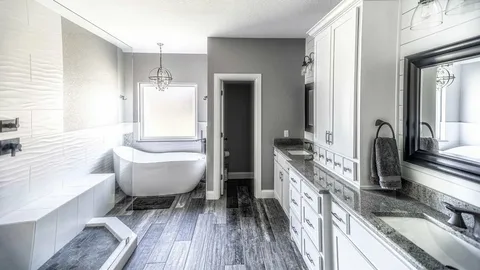
A walk-in shower does something a tub can’t — it opens the room up. Swap a boxy alcove tub for a glass enclosure and suddenly the bathroom breathes. Light travels further. The space reads larger even though the square footage hasn’t changed at all.
I’ve watched homeowners in Northville walk into a finished conversion and go quiet for a second, because the room feels nothing like the cave they left that morning. That reaction never gets old.
Local Conditions That Shape the Decision
Northville sits across Wayne and Oakland counties, and like much of southeast Michigan, it deals with hard water. Hard water leaves mineral scale on grout lines and glass, which means material choice matters more here than in softer-water regions. We’ll come back to that, because it changes what you should actually pick.
What the Bathtub-to-Shower Conversion Process Actually Looks Like
People imagine demolition dust everywhere for weeks. The reality, when it’s done right, is far calmer and far quicker. Here’s how a clean tub-to-shower remodel typically unfolds.
Step 1: In-Home Assessment and Design
Everything starts with a real look at your space. A specialist Bathtub-to-Shower Conversion in Northville the alcove, checks the plumbing rough-in, and inspects the subfloor and wall condition behind the tub. This is where surprises get caught early — old water damage, rotted framing, or a drain that needs relocating.
Step 2: Removal of the Existing Tub
The old tub comes out, along with the surrounding wall. Crews protect floors and hallways with coverings so the rest of your home stays clean. This stage is messier but fast, often wrapped up in a single morning.
Step 3: Waterproofing and Substrate Prep
This is the step that separates a shower that lasts twenty years from one that fails in two. Proper waterproofing behind the walls and a correctly sloped shower base are non-negotiable. Cutting corners here is the number one reason DIY conversions and bargain jobs leak.
Step 4: Installing the Base, Walls, and Fixtures
The new shower pan goes in first, followed by wall panels or tile, then the valve, showerhead, glass, and any safety features. A barrier-free or low-threshold base is set so water drains correctly without a high curb to step over.
Step 5: Sealing, Inspection, and Walkthrough
The job finishes with caulking, a function test, and a walkthrough so you understand how everything works and how to keep it clean. A reputable installer stands behind the work in writing.
The full timeline depends on the system. A premium acrylic or solid-surface conversion can sometimes be done in a day or two, while a fully tiled custom shower runs longer because grout and thinset need cure time.
Design and Material Choices That Matter
This is where the project either becomes a long-term joy or a long-term chore. Material choice drives how the shower looks, how it ages, and how much weekend scrubbing it demands of you.
Acrylic and Solid-Surface Walls
Acrylic and solid-surface wall systems have a non-porous finish, which is a big deal in hard-water territory. There’s no grout for minerals to cling to, so cleaning takes a wipe instead of a brush. They install faster too, which is why most one-day conversions use them.
Tile Showers
Tile wins on customization and that high-end, designed look. The tradeoff is the grout. In a hard-water area like Northville, grout lines need sealing and regular attention or they discolor and trap mildew. Beautiful, yes — but it asks more of you over time.
Acrylic vs. Tile at a Glance
To make the comparison concrete, here’s how the two stack up on the factors people care about most.
Acrylic and solid-surface systems lead on low maintenance, faster installation, and consistent waterproofing, and they resist mineral buildup well. Tile leads on design flexibility, premium resale appeal, and the sheer range of looks available. On cost, simple acrylic packages usually run lower than elaborate custom tile, though high-end solid-surface options can close that gap. The honest answer for most busy Northville families leans acrylic, while design-focused renovators who don’t mind upkeep often choose tile.
Safety and Accessibility Features Worth Adding
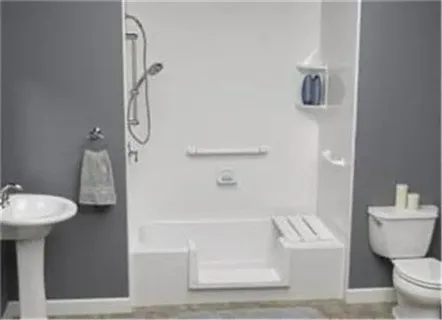
While the walls are open, it’s the smart moment to build in features that are painful to retrofit later. Grab bars anchored into blocking, a built-in bench or fold-down seat, non-slip flooring, a handheld showerhead, and a curbless or low entry all add real, lasting function. None of these scream “medical” anymore — modern versions look like intentional design choices, because they are.
Costs, Timelines, and Value in the Northville Market
Let’s talk about money, because that’s the question everyone is really asking. Pricing for a bathtub-to-shower conversion swings widely based on materials, scope, and how much plumbing has to move.
A straightforward acrylic conversion in a standard alcove sits at the lower end of the range. A mid-tier project with upgraded fixtures, glass, and accessibility features lands in the middle. A fully custom tiled shower with a relocated drain, niche work, and premium glass reaches the higher end. Always get an itemized, written quote — vague “ballpark” numbers are how people get burned by change orders later.
What Drives the Price Up or Down
Three things move the needle most. First, whether the drain and plumbing stay put or have to be relocated, since moving water lines means more labor. Second, the wall material, because tile labor costs more than panel systems. Third, hidden damage discovered during removal, like rotted subfloor, which is exactly why that upfront assessment earns its keep.
Return on Investment and Resale
Bathroom remodels reliably rank among the better home-improvement investments, and conversions appeal to a wide buyer pool. A clean, accessible walk-in shower reads as move-in ready to younger buyers and as future-proof to older ones. In a market like Northville, that broad appeal is genuine value, not just a sales pitch.
Safety, Accessibility, and Aging in Place
For many of the families that call us, this part is the whole point. A conversion isn’t a luxury upgrade — it’s what lets a parent keep showering safely without help, or what gives a couple confidence they can stay in the home they raised their kids in.
Barrier-free design borrows principles from ADA accessibility standards even in private homes. Wider entries, zero-threshold bases, reinforced walls for grab bars, and seating all reduce fall risk dramatically. The difference between stepping over a 15-inch tub wall and walking onto a flat shower floor is, quite literally, the difference between independence and a hospital visit for some people.
The best part is that you don’t have to choose between safety and style anymore. A well-designed accessible shower looks like a spa, not a clinic.
Choosing the Right Northville Contractor
Here’s the uncomfortable truth: most shower failures aren’t about materials. They’re about installation. A great product installed poorly still leaks, and a modest product installed correctly lasts for decades.
So vet your installer hard. Ask whether they’re licensed bathroom remodeling services and insured for work in the Northville area. Ask how they handle waterproofing and what happens if they find hidden damage mid-project. Ask for the warranty in writing and read what it actually covers. Look for real local reviews from people in your own community, not anonymous five-star clusters that all appeared the same week.
A trustworthy crew will walk you through their process without dodging questions, give you a fixed written quote, and treat your home like it’s theirs. That’s the standard Marathon Bath Systems built its reputation on, and frankly it’s the standard you should hold any contractor to.
If you’re weighing a few quotes right now, slow down on the cheapest one. The lowest bid often skips the waterproofing detail that costs you a wall tear-out two winters from now.
Conclusion
A bathtub-to-shower conversion is one of those rare home projects that improves daily life from the very first morning. It’s safer, it’s easier to clean, it makes the room feel bigger, and it protects your ability to stay in your home for years to come.
The smart move is simple. Get a proper in-home assessment, ask the hard questions about waterproofing and warranties, and pick materials that fit how you actually live — not just how the showroom looks. Do that, and your new walk-in shower becomes the easiest decision you’ve made about your house in years.
When you’re ready to see real numbers for your space, book a free assessment and let an experienced Northville specialist map it out with you.
Frequently Asked Questions
How long does a tub-to-shower conversion take?
Most acrylic or solid-surface conversions finish in one to two days. Fully tiled custom showers take longer because grout and mortar need time to cure properly before use.
Is a walk-in shower cheaper than a full bathroom remodel?
Yes, usually by a wide margin. A focused conversion costs far less than gutting the entire bathroom, since the layout and most fixtures stay in place.
Will removing my only tub hurt resale value in Northville?
Generally no, as long as another tub exists in the home. Buyers increasingly prefer accessible walk-in showers, which appeal to both younger and older shoppers.
Do I need a permit to convert a bathtub to a shower?
Often yes, especially if plumbing moves. A licensed local installer handles permits and inspections for you, so the work stays code-compliant.
Are acrylic showers better than tile for hard water?
For low maintenance, yes. Acrylic and solid-surface walls have no grout for minerals to stain, so they resist hard-water buildup far better than tile.